
Puppy Schedule by Age: 8 Weeks to 12 Months
What should your puppy's day actually look like? From the first week home at 8 weeks to a near-adult routine at 12 months, this guide covers sleep, meals, potty, play, training, and socialization at every stage.
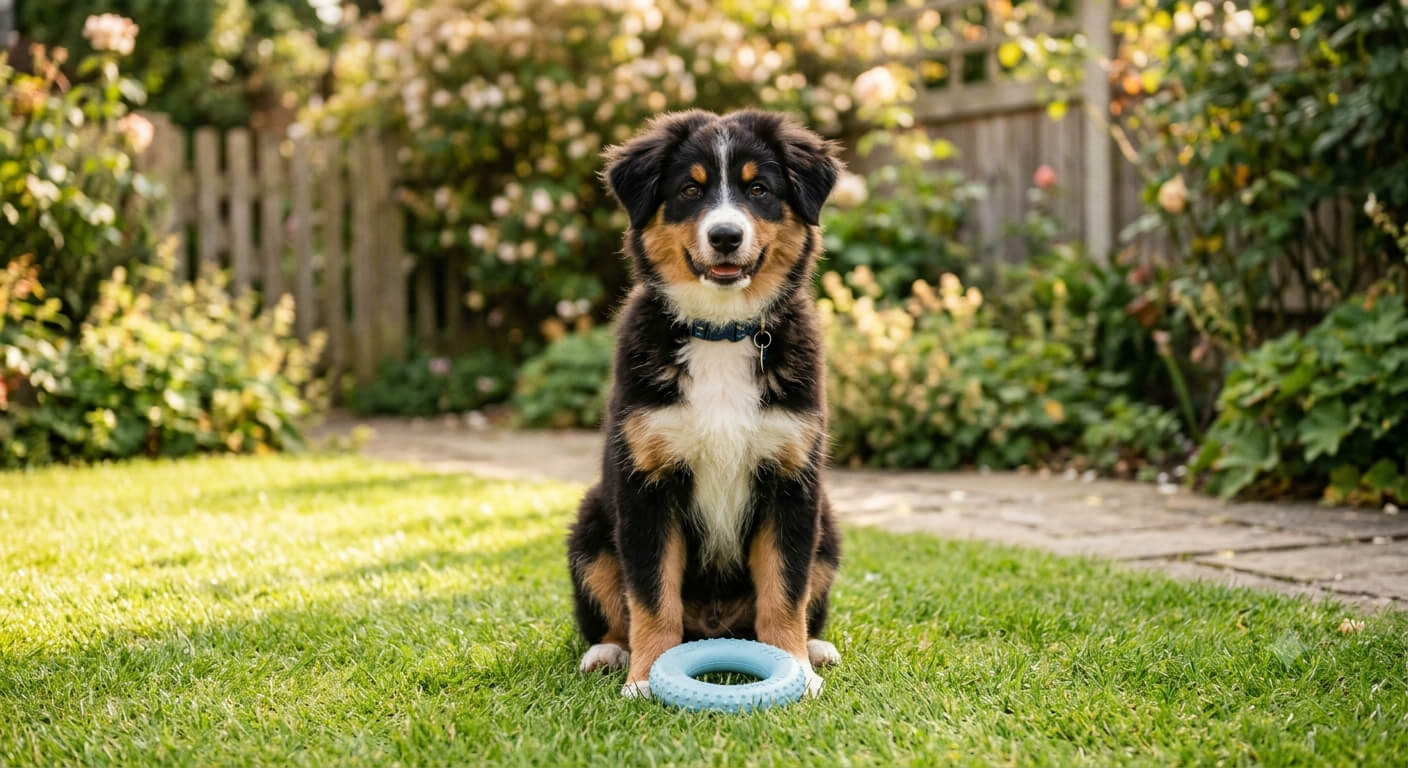
Puppy Schedule by Age: 8 Weeks to 12 Months
If you have just brought home a new puppy, or are preparing to, one of the first questions you will ask is: what should a typical day actually look like?
The honest answer is that an 8-week-old puppy's day looks very different from that of a 6-month-old puppy, and a 6-month-old's day looks different again from a dog approaching their first birthday. Over the first year, the biggest shifts are:
- Improving bladder and bowel control, which changes how frequently potty opportunities are needed
- Fewer daily meals for many puppies as they grow
- Changing sleep patterns, with puppies gradually able to stay awake for longer stretches
- Longer attention spans, allowing for slightly more extended training interactions
- Developing independence, so puppies can gradually be left alone for appropriate periods
- Shifting socialization and training priorities as foundations are built and refined
That said, development does not happen on a fixed calendar. Two puppies of the same breed and similar age can have noticeably different stamina, bladder control, and attention spans. What follows is a framework of example routines, not mandatory timetables.
Not sure exactly how old your puppy is in weeks? Use the Puppy Age Calculator before comparing the age examples below.
The goal is predictable sequences, not perfect precision. A puppy who is fed, rested, exercised, trained, and given consistent opportunities to eliminate in the right place will generally do far better than one following a rigid schedule that does not match their individual needs.
1. What Does a Good Puppy Schedule Include?
Before looking at age-specific routines, it helps to understand the building blocks that appear in every good puppy day, regardless of age.
Sleep and Rest
Young puppies sleep and rest for large portions of the day. Sleep needs change as puppies develop, and the individual puppy, their activity level, their environment, and their developmental stage all influence how much rest they need. What matters in practice is that owners build quiet rest periods into the daily routine rather than keeping a puppy continuously stimulated. A puppy who is tired or overstimulated may have more difficulty settling or engaging productively with training and play.
As puppies grow, waking periods gradually lengthen, but rest remains important throughout puppyhood and beyond.
Potty Opportunities
Puppies generally need a potty opportunity after predictable triggers: waking from sleep, finishing a meal, drinking water, play or active excitement, leaving a crate or confinement area, and before settling for the night. Very young puppies also need frequent opportunities between these events because their physical control is still developing.
For detailed potty frequency guidance by age, see How Often Should a Puppy Pee? Puppy Potty Schedule by Age.
Meals
Feeding frequency changes as puppies grow. How often and how much a puppy should eat depends on their age, size, the food they are on, and veterinary or manufacturer guidance. Do not use generic quantities from the internet as a substitute for following the guidance for your puppy's specific complete and balanced diet and the advice of your veterinarian.
Meals create natural anchor points in the daily routine: they are predictable, they trigger digestive activity, and a post-meal potty opportunity belongs in every schedule.
Training
Short, frequent training interactions generally work far better with young puppies than long formal sessions. A puppy's ability to focus is genuinely limited in early weeks, and trying to push past that limit leads to frustration for both puppy and owner.
Training also does not have to mean a dedicated session. Useful foundations can be built naturally throughout the day:
- Name response during play or feeding
- Recall foundations in the garden
- Brief settling in one place
- Cooperative care: comfortable with being handled, examined, and groomed
- Waiting briefly at doorways or before meals
- Early leash awareness
- Sit and other simple cues woven into daily interactions
As puppies mature and attention spans increase, training sessions can gradually develop. But even in older puppies, many short interactions tend to be more productive than one long formal session.
Play and Activity
Appropriate activity depends on the puppy's age, physical development, breed, and individual temperament. Puppy play that suits a 10-week-old Border Collie's body is very different from what suits a 10-week-old Basset Hound, and neither may match a Labrador of the same age.
Self-directed exploration, sniffing, gentle play, and short interactions in varied environments provide mental and physical engagement without the risks of repetitive, high-impact exercise on a developing body. Owners with concerns about appropriate activity for their specific puppy's breed or health should talk to their veterinarian.
Socialization
Socialization is one of the most important investments in a puppy's long-term wellbeing, but it is widely misunderstood. It does not simply mean meeting as many dogs and people as possible. Quality matters far more than quantity.
Effective socialization means safe, positive exposure to a wide range of experiences: different people of various ages and appearances, a variety of environments and surfaces, everyday sounds, handling of the body (ears, paws, mouth), transport, appropriate animals, and ordinary household objects and routines.
Experiences that overwhelm or frighten a puppy can be counterproductive, building negative associations rather than confidence. Keep sessions gentle, brief, and positive.
For very young puppies whose vaccination series is not yet complete, discuss local infectious-disease risk with your veterinarian and ask about safe socialization options for your specific situation. The American Veterinary Society of Animal Behavior (AVSAB) has published guidance on puppy socialization that is worth reading before your puppy comes home.
Alone Time
The ability to rest comfortably when alone is a practical life skill that should generally be introduced gradually. Very young puppies are not naturally able to cope with extended isolation, and building this skill slowly, starting from just moments of brief separation and increasing over time, gives the puppy the best chance of developing genuine comfort with being alone.
Bladder capacity is not the correct measure for appropriate alone time. A puppy who can physically hold their bladder for a certain period is not necessarily emotionally or developmentally ready to be left alone for that same duration.
2. 8 to 10 Week Old Puppy Schedule
The first weeks at home are a significant adjustment for any puppy. They have just left everything familiar: their mother, their littermates, and the only environment they have known. The priority at this stage is security, not intensive training.
Key priorities:
- Settling into the new home with a calm, predictable environment
- Frequent potty opportunities (the puppy has very limited physical control)
- Plenty of sleep and uninterrupted rest
- Short, gentle training interactions with lots of positive reinforcement
- Safe, positive socialization appropriate to the puppy's vaccination status
- Gentle handling and cooperative care foundations
- Beginning very gradual alone-time practice
- Avoiding overwhelming stimulation
Example daily sequence:
The structure below repeats several times throughout the day because young puppies cycle frequently between short bursts of activity and sleep.
Morning
- Wake
- Straight outside for a potty opportunity
- Breakfast
- Potty opportunity after the meal
- Short play, gentle handling, or a brief training moment (sit, name response, recall steps)
- Rest/nap in a safe, quiet area
Midday
- Wake
- Potty opportunity
- Meal if appropriate for the feeding routine
- Short calm activity or gentle socialization
- Potty opportunity
- Rest
Afternoon
- Wake
- Potty opportunity
- Safe exploration of a small area or gentle outdoor experience
- Short play or handling
- Rest
Evening
- Meal
- Potty opportunity
- Calm family time, brief training moment
- Potty opportunity
- Begin winding down
- Final potty opportunity before bed
- Settle to sleep
At 8 to 10 weeks, many puppies need to wake once or more during the night for a potty outing. Keep nighttime trips calm, brief, and unstimulating so the puppy learns that night is for sleeping, not playing.
3. 10 to 12 Week Old Puppy Schedule
By 10 to 12 weeks, many puppies are becoming more confident in their new home. Some begin to show slightly longer waking periods between naps, though frequent rest is still the norm. Potty opportunities remain very frequent because physical bladder control is still developing.
What may begin changing:
- The puppy becomes more curious and engaged with their environment
- Socialization can expand gradually: new environments, gentle encounters with friendly people, varied surfaces and sounds
- Basic training cues (sit, name response, early recall) start becoming more reliable with consistent practice
- Very short, gradual alone-time practice can begin: stepping out of the room briefly, building comfort with separation in small steps
- The nighttime gap between potty outings may gradually extend as the puppy matures
The overall structure of the day remains similar to 8 to 10 weeks: wake, potty, activity, potty, rest, repeat. What changes is that the activity periods may edge slightly longer for some puppies, and the range of socialization experiences can begin to widen.
4. 3 Month Old Puppy Schedule
At around 12 to 16 weeks, the daily routine typically starts to feel more predictable for owners. The puppy has settled into the household, basic training is becoming part of daily life, and potty patterns are clearer even if accidents still happen.
Focus areas at this stage:
- Maintaining a consistent daily sequence of wake, potty, activity, rest
- Continuing frequent potty opportunities: bladder control is improving but is not mature
- Positive socialization remains important. The first three months are considered the primary and most important socialization period, but development does not switch from 'open' to 'closed' at a precise age, and appropriate positive experiences should continue beyond this stage.
- Training foundations: building reliability with basic cues across different contexts
- Beginning leash introduction if not already started
- Gradually increasing the duration of comfortable alone time
For a detailed look at building a potty routine around this stage, see Puppy Potty Training Schedule: A Complete Guide.
5. 4 Month Old Puppy Schedule
Four months brings increasing confidence and curiosity. The puppy is physically stronger, more interested in exploring, and capable of slightly more sustained play and training. This stage also tends to bring chewing and enrichment needs to the foreground.
What to expect:
- Bladder control is improving, but potty triggers (waking, meals, play, excitement) still apply and should still be managed proactively
- Chewing behavior is commonly a major management consideration; appropriate chews and enrichment should be part of the daily routine
- Training becomes more consistent, and cues can be practiced in more locations and with mild distractions
- Gradual expansion of household freedom, only in areas and at times where the puppy has demonstrated reliability
- Structured rest remains important even though the puppy may resist it more than they did at younger ages
- Socialization continues, with new environments and experiences added thoughtfully
Keep rest periods built into the schedule even if the puppy seems reluctant. A puppy who is tired or overstimulated may have more difficulty settling and engaging calmly, so regular opportunities to rest remain useful.
6. 5 to 6 Month Old Puppy Schedule
A puppy at 5 to 6 months may look increasingly like a small adult dog, but their physical and behavioral development is far from finished. They can engage in longer training sessions and handle more varied environments, but they still benefit significantly from structure.
Priorities at this stage:
- Maintaining established potty habits: do not assume the puppy is fully housetrained
- Continued reinforcement of basic cues, now in more demanding environments
- Leash skills and recall foundations, practiced in varied settings
- Settling exercises: the ability to rest calmly when asked
- Mental enrichment through sniffing, problem-solving toys, and new experiences
- Gradually increasing independence, with household freedom expanding alongside demonstrated reliability
- Appropriate physical activity suited to the puppy's breed and development
Potty habits at this stage are improving for most puppies, but bladder control is still not fully mature, and potty triggers still matter. See How Long Can a Puppy Hold Their Pee? for context on what that means practically.
7. 6 to 9 Month Old Puppy Schedule
This is the stage that often surprises owners. A puppy who was responding reliably to their name and basic cues at 5 months may seem suddenly less responsive at 6 or 7 months. The environment becomes more interesting, familiar cues may seem to "disappear," and independent decision-making increases. This is adolescence, and understanding it changes how owners approach training during this period.
Adolescence is not rebellion. The changes are neurological and behavioral, not a test of the owner's authority. Maintaining calm consistency, continuing to reinforce behaviors that have already been learned, and adjusting expectations appropriately generally gets owners through this period without lasting damage to the training relationship.
What to expect:
- The puppy may become more interested in the environment and more easily distracted
- Previously reliable cues may become temporarily less consistent
- Confidence or caution may shift, sometimes in unexpected directions
- The importance of ongoing reinforcement of learned behaviors increases
What the routine looks like:
The daily structure continues, but can become somewhat simpler than in the early weeks. The puppy generally needs:
- Appropriate physical activity for their breed and development
- Mental enrichment through training, sniffing, and problem-solving
- Continued training sessions that build on existing foundations
- Rest and adequate sleep
- Gradual expansion of alone-time skills and household freedom based on demonstrated reliability
- Consistent potty management: some adolescent puppies have occasional setbacks
8. 9 to 12 Month Old Puppy Schedule
By 9 to 12 months, many puppies have a daily routine that looks increasingly similar to an adult dog's. But physical and behavioral maturity vary greatly, particularly between dogs of very different sizes and breeds. A small terrier at 12 months may be developmentally closer to adulthood than a large-breed dog who may continue growing and maturing physically beyond their first birthday.
Priorities at this stage:
- Maintaining consistent routines rather than treating training as complete
- Continuing to practice and reinforce all the cues and skills built over the previous months
- Appropriate physical activity: energy levels and exercise needs vary significantly by breed
- Mental enrichment alongside physical activity
- Continued reinforcement of calm behavior and settling
- Maintaining potty habits
- Social interaction with people and dogs the puppy knows and enjoys
Do not assume a dog is fully mature at 12 months. The first year is a foundation, not a finish line.
9. Example Puppy Routine by Age
The table below summarises the broad priorities at each stage. It is a reference framework, not a prescription. Individual puppies vary considerably.
| Age | Main routine priority | Potty | Meals | Training and socialization | Rest |
|---|---|---|---|---|---|
| 8 to 10 weeks | Settling and predictability | Very frequent, event-based | Based on puppy's feeding plan | Very short positive experiences; gentle handling | Large part of day |
| 10 to 12 weeks | Confidence and foundations | Frequent, event-based | Based on feeding plan | Expanding socialization; basic foundations | Frequent naps |
| ~3 months | Building consistency | Still frequent | Based on feeding plan | Socialization continues; basic cue practice | Regular rest |
| ~4 months | Expanding skills and management | Gradually improving; triggers still apply | Based on feeding plan | Training in new contexts; safe exploration | Structured rest |
| 5 to 6 months | Maintaining habits and growing independence | Improving control; triggers still matter | Based on feeding plan | Cue reliability; enrichment; leash skills | Still important |
| 6 to 9 months | Adolescent consistency | Individual | Based on feeding plan | Reinforcement and enrichment | Adequate daily rest |
| 9 to 12 months | Transition toward adult routine | Individual | Based on feeding plan | Continued training and life skills | Individual |
10. How Feeding Changes a Puppy's Daily Schedule
Meals do more than provide nutrition. They create natural anchors throughout the day:
- A post-meal potty opportunity belongs in the routine after every feed
- Meals can serve as predictable points around which other daily activities are organised
- The transition between rest after eating and the next activity is a predictable structure point in the day
How many meals a day and how much to feed is not something to determine from a generic internet article. Follow the feeding guidance for your puppy's specific diet and speak with your veterinarian about what is appropriate for your puppy's age, size, and health. For many puppies, feeding frequency reduces over the first year, but the right timing and quantity depend on the individual dog and dietary guidance.
11. How Much Should a Puppy Sleep?
Young puppies sleep frequently, and sleep patterns gradually shift as they develop. The individual puppy, their activity level, their environment, and their developmental stage all influence how much rest they need.
What owners often find is that puppies alternate short waking periods with naps throughout the day. These naps are not optional extras to be worked around. They are a necessary part of development.
Puppies who are tired or overstimulated may have difficulty settling or engaging productively with training and play. Providing regular opportunities for quiet rest helps prevent the day from becoming a continuous cycle of stimulation.
As the puppy matures, waking periods naturally extend. But rest remains important throughout puppyhood, adolescence, and into adulthood.
12. How Much Exercise Does a Puppy Need?
Appropriate activity for a puppy depends on their age, breed, size, physical development, health, environment, and the type of activity involved. There is no single formula that applies reliably to every puppy.
The important distinction is between self-directed activity and repetitive or forced exercise. A puppy sniffing around the garden, engaging in gentle play, or exploring a new environment at their own pace is very different from a puppy being pushed through a structured running routine.
Good activity options for puppies at various stages include:
- Sniffing and environmental exploration
- Play with appropriate toys and safe interaction with people or animals they know
- Short, varied walks that include plenty of stopping, sniffing, and exploring
- Training sessions that include physical movement (recall, fetch foundations, searching games)
- Enrichment activities such as scatter feeding, snuffle mats, or food puzzles
Owners whose puppies have specific orthopedic concerns, have been diagnosed with any health condition, or are of a breed with known developmental considerations should ask their veterinarian what activity is appropriate.
13. When Should the Puppy Schedule Change?
The schedule should evolve in response to the puppy, not the calendar alone. Signs that adjustments may be appropriate include:
- The puppy consistently stays clean and comfortable under the current potty routine
- The puppy comfortably remains awake for noticeably longer periods between naps
- Meal timing changes appropriately following veterinary or dietary guidance
- Training engagement increases and attention spans lengthen
- The puppy handles gradual separation well and can be left alone comfortably for appropriate periods
- Current activity levels no longer feel like enough for the puppy's needs
If accidents or behavioral problems return after expanding freedom or reducing the frequency of potty opportunities, the right response is to reduce the difficulty and progress more gradually. That is not a setback; it is the process working as intended.
14. Tracking Your Puppy's Routine
A puppy's day involves a lot of overlapping events: pees, poops, meals, water, naps, play, walks, training, and anything else that is part of daily life. It becomes surprisingly difficult to remember what happened and when, which makes it hard to notice patterns or explain why an accident happened at a particular time.
A simple daily log can transform this. Here is an example of what a few hours might look like:
After a few days of tracking, patterns that were invisible often become clear: a consistent poop window after breakfast, a tendency to need a potty break after a certain amount of active play, or a longer gap between pees during naps than during active periods.
Tracking also helps owners build a routine around their specific puppy rather than a generic internet schedule that may not fit their individual dog.
With Dogtales, you can keep daily activities such as pee, poop, feeding, drinking, sleep, walks, and other events in one timeline. That can make it easier to understand how your puppy's routine changes as they grow.
For more on what to track and how to use the information, see How to Track Your Puppy's Potty Schedule.
15. When a Routine Change Might Actually Be a Health Issue
Gradual changes in a puppy's routine are a normal part of development. Sudden, unexpected changes are sometimes a sign that something else is going on.
Contact your veterinarian if you notice unexpected changes in:
- Appetite or interest in food
- Thirst or water intake
- Urination frequency, urgency, or appearance
- Bowel movements, including consistency, frequency, or straining
- Energy levels or activity
- Sleep patterns
- Signs of pain or discomfort
- Vomiting or diarrhea that does not resolve quickly
- Lethargy or sudden withdrawal from normal activity
If a change is sudden, substantial, persistent, or accompanied by other signs of illness or discomfort, contact your veterinarian for advice.
Frequently Asked Questions
What is a good schedule for an 8-week-old puppy?
The core sequence for a young puppy is: wake, potty, meal or activity, potty, short activity, rest. This cycle repeats frequently throughout the day because young puppies alternate between bursts of wakefulness and sleep. There is no single timetable that works for every household. What matters is building this predictable sequence around your puppy's actual patterns.
Does a puppy need the exact same schedule every day?
No. Predictability helps puppies learn what to expect, and consistent sequences are useful. But a routine does not need to operate to the minute. If lunch happens 30 minutes later than yesterday, that is not a problem. The sequence matters more than the clock.
How often should a puppy nap?
Young puppies commonly need to nap frequently throughout the day, sometimes after just a short period of wakefulness. Watch your individual puppy and build rest periods into the routine rather than waiting for the puppy to crash. As they grow, natural waking periods lengthen, but frequent rest remains useful throughout puppyhood.
When should a puppy's schedule change?
When their physical control, attention span, activity needs, feeding routine, and ability to be comfortable alone have all developed to the point where the current schedule no longer fits. Use the puppy's behavior and reliability as your guide rather than their age alone.
When can a puppy follow an adult dog schedule?
There is no universal age. Physical and behavioral maturity differ significantly between individual dogs, sizes, and breeds. Some puppies approach an adult-like daily routine by around 12 months; others, particularly larger breeds, continue developing well beyond their first birthday.
Should puppies eat at the same time every day?
A reasonably consistent feeding routine makes daily care and potty patterns more predictable, which is helpful for housetraining and general management. But exact minute-by-minute timing is not necessary. Follow your puppy's appropriate feeding plan, and if you have questions about timing or frequency, talk to your veterinarian.
How do I balance puppy play and rest?
Alternate appropriate activity with opportunities for quiet rest rather than keeping the puppy continuously stimulated. When the puppy is showing signs of tiredness, respect that and give them somewhere calm to settle. Building rest into the routine proactively makes the active periods more productive and the whole day more manageable.
How do I create a puppy schedule if I work full time?
Very young puppies need care that does not fit neatly into a working day. Depending on the puppy's age and circumstances, realistic options include a family member or friend providing care during the day, a professional pet sitter or dog walker for regular midday visits, or an appropriate puppy-safe setup at home for periods when supervision is not possible. A puppy should not be expected to spend an entire working day confined without a break. Planning for this before the puppy comes home is far easier than solving it after the fact.
If you are struggling with housetraining despite a good routine, Puppy Potty Training Not Working? 9 Common Mistakes is worth reading.
Share this article
Keep your dog healthy and happy with Dogtales
Track meals, medication, potty breaks, weight, vaccinations, and daily reminders in one intuitive app.
Related Articles
First Week With a Puppy: What to Expect
The first week with a puppy is about safety, basic needs, gentle routine, and helping them adjust. Learn what to expect, what to prioritize, and how to navigate the first seven days realistically.
New Puppy Checklist: What You Actually Need
Bringing home a puppy does not require an endless shopping cart. Here is a practical, realistic checklist of what you actually need before day one, what can wait, and the non-product preparation that matters most.
Puppy Daily Routine: What to Track in the First Year
A useful puppy routine is not about making every day identical. Learn which daily events are actually worth tracking, how to identify meaningful patterns, and how to avoid tracking overload.