
How Often Should a Puppy Pee? Puppy Potty Schedule by Age
Wondering how often your puppy needs to pee? Discover practical potty schedules by age, common potty triggers, nighttime routines, and why bladder capacity isn't a schedule.
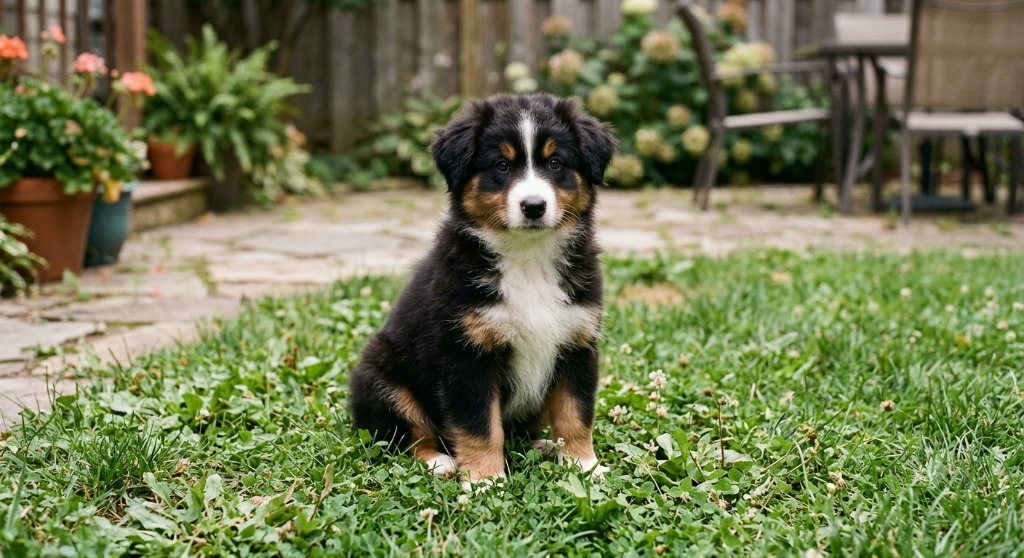
How Often Should a Puppy Pee? Puppy Potty Schedule by Age
If you feel like all you do all day is take your new puppy outside to pee, only for them to squat on the rug the moment you step back indoors, take a deep breath. You are not failing, and your puppy is not stubborn.
Young puppies have tiny bladders, immature nervous systems, and very limited conscious control over their urinary sphincters.
Here is the quick, direct answer:
- Very young puppies (8 to 10 weeks) need potty opportunities frequently, often every 30 to 60 minutes while awake and active.
- Potty frequency decreases gradually as physical bladder control and muscle tone mature over several months.
- Routine daily events reset the clock: naps, meals, big drinks of water, play sessions, and excitement commonly trigger an immediate need to pee regardless of what time it is.
- Crucial distinction: A puppy's maximum physical holding capacity is very different from a recommended potty schedule. Training for success means offering frequent opportunities before an accident happens.
The Golden Rule: Bladder Capacity Is Not a Potty Schedule
One of the most common pieces of advice in puppy books is the classic "age + 1" rule:
Under this formula, a 2-month-old puppy might theoretically be capable of holding urine for around three hours, while a 4-month-old might manage up to five hours under quiet, resting conditions.
Both the American Kennel Club (AKC) and veterinary sources like PetMD cite this guideline as a rough theoretical maximum or biological ceiling under ideal resting conditions.
However, this rule of thumb should never be confused with a recommended potty schedule. Expecting a 4-month-old puppy to routinely wait five hours to pee while active in the house almost always leads to accidents and frustration.
A sleeping puppy resting quietly in a crate may hold their bladder for several hours. But that same puppy, awake and tumbling across the living room rug, will need much more frequent outdoor breaks. Never use a theoretical maximum holding capacity to decide when your puppy deserves an outdoor break.
Puppy Potty Schedule by Age: A Practical Guide
Rather than relying on rigid hourly timers, welfare organizations like the RSPCA and veterinary networks like VCA Animal Hospitals recommend a proactive, opportunity-rich approach based on your puppy's stage of development.
Remember that these are practical guidelines to prevent accidents, not fixed biological guarantees:
Not sure of your puppy's age in weeks? The Puppy Age Calculator can help you use the age ranges below as a starting point.
| Puppy Age | Developmental Stage | Practical Potty-Training Approach |
|---|---|---|
| 8–10 Weeks | Very limited control; easily distracted. | Very frequent opportunities, often every 30 to 60 minutes while awake, plus immediately after key events. |
| 10–12 Weeks | Developing awareness, but active play triggers sudden needs. | Continue frequent breaks; some puppies can gradually go longer when calm and resting. |
| 3–4 Months | Bladder control is developing steadily. | Continue regular breaks, and always respond promptly to meals, drinking, waking, play, and excitement. |
| 4–6 Months | Muscle tone and control continue improving. | Gradually increase intervals as the individual puppy demonstrates reliable control. |
| 6+ Months | Approaching physical maturity. | Gradually move toward an adult routine based on the individual dog rather than age alone. |
How Often Should an 8-Week-Old Puppy Pee?
At eight weeks of age, your puppy is a baby in every sense of the word. They have just left their mother and littermates, entered an entirely new environment, and still have very limited bladder control.
Expect to take an 8-week-old puppy outside frequently while awake, often every 30 to 45 minutes. If they are playing vigorously, that window may shrink even further.
At this stage, you are not testing their endurance; you are building a positive association between the feeling of grass under their paws and the act of relieving themselves, followed by enthusiastic praise and gentle rewards.
How Often Should a 3-Month-Old Puppy Pee?
By 12 to 14 weeks, puppies generally begin to develop better physical control. They may be able to go longer between bathroom breaks when calm, but still need frequent opportunities throughout the day.
However, during active indoor play, training sessions, or after family members arrive home, they will still need prompt outdoor trips. Do not assume that because they can hold it for three hours during a quiet afternoon nap, they can do the same while actively exploring the house.
How Often Should a 4–6-Month-Old Puppy Pee?
Between four and six months of age, many puppies begin to consolidate their house-training habits. They can often go longer between daytime breaks when calm, and their nighttime bladder control is usually substantially stronger.
Nevertheless, developmental plateaus or temporary regressions can happen as puppies grow, particularly during early adolescence or changes in household routine. Continue to offer regular outings and reward good habits rather than abruptly expecting adult-level self-control.
The Triggers Matter More Than the Clock
If you only watch the clock, you will miss the real-life events that drive urination.
According to veterinary behaviorists and the RSPCA, you should proactively take your puppy outside:
- Immediately upon waking: First thing in the morning and the very second they wake up from any daytime nap. Do not pause to check your phone or make coffee; carry them straight to their potty spot.
- 10 to 15 minutes after eating: VCA Animal Hospitals notes that eating stimulates the digestive tract, and puppies commonly need to relieve themselves roughly 10 to 15 minutes after a meal.
- After drinking water: A puppy that laps up a bowl of water will typically need an opportunity to eliminate shortly afterward.
- During and after active play: Puppies often need to pee more frequently when they're active. VCA recommends offering a potty opportunity about every 30 minutes during high-energy activity.
- After excitement: A visitor arriving at the door, a family member coming home, or meeting another friendly dog can prompt an immediate need to pee.
- Immediately after leaving confinement: Whether stepping out of a crate, playpen, or a closed room, head directly outdoors before giving them run of the house.
- Before being left alone and when you return: Give your puppy a potty opportunity before you leave and take them outside promptly when you come home.
- Right before bedtime: A quiet, low-energy trip just before lights-out sets the stage for a calm night.
How Long Can Puppies Hold Their Pee?
While the popular "months of age + 1" guideline provides a rough theoretical maximum, real-world holding capacity depends heavily on context:
- When resting or sleeping: Up to their theoretical maximum under quiet conditions.
- When active, playful, or excited: Frequently much shorter than their resting capacity.
- Breed size: Smaller and toy breeds may need more frequent potty opportunities than larger puppies, particularly during active waking hours.
Treat holding capacity as an emergency buffer, not a daily target.
How Often Should a Puppy Pee at Night?
One of the most reassuring facts for tired new owners is that puppies generally hold their bladder longer while asleep than while awake and playing.
Young puppies often need nighttime potty breaks. As they mature, many naturally begin sleeping for longer periods without needing an outing. However, there is no universal age at which a puppy should be expected to sleep through the night. Individual development, size, daily routine, evening water intake, and temperament all play a role.
According to VCA Animal Hospitals, some young puppies may need overnight potty outings until around five months of age, with substantial variation from dog to dog. Avoid comparing your puppy to rigid internet timelines.
Subtle Signs Your Puppy Needs to Pee
Not every puppy stands politely by the back door and barks when they need to go. In fact, most young puppies give subtle body language signals that are easy to miss if you aren't paying close attention:
- Intense ground sniffing: Lowering the head and rapidly sweeping their nose along carpets, corners, or baseboards.
- Circling or pacing: Walking in tight, purposeful circles before choosing a spot.
- Sudden disengagement: Abruptly stopping a game of tug, dropping a toy, or wandering away from family members.
- Restlessness or whining: Pacing along furniture, fidgeting near baby gates, or acting unusually frantic.
- Drifting toward secluded areas: Heading behind a sofa, under a table, or toward a room where previous accidents occurred.
If you spot any of these behaviors, scoop your puppy up calmly and swiftly and carry them outside. Keep in mind that some puppies show virtually no pre-potty signals at all, which is why sticking to proactive trigger-based outings is essential.
What to Do When Your Puppy Keeps Having Accidents
First, remember: accidents are not behavioral defiance. They are almost always human timing errors or environmental management breakdowns.
Here is how to handle them constructively:
- Never punish your puppy: The RSPCA strongly advises against rubbing a puppy's nose in waste, shouting, or punishing accidents. Punishment does not teach a puppy where to go; it merely teaches them that urinating in front of you is dangerous, which leads them to hide behind furniture to pee in secret.
- Interrupt gently if caught in the act: If you catch your puppy mid-squat, make a cheerful, neutral sound ("Oops, outside!"), gently scoop them up, and carry them immediately to the designated outdoor spot. If they finish outside, reward them generously.
- Clean thoroughly with an enzymatic cleaner: Standard household detergents or ammonia-based cleaners leave behind scent markers that encourage repeat marking. Use a pet-specific enzymatic spray to completely eliminate organic uric acid crystals.
- Shorten the interval: If your puppy is having accidents every 45 minutes, set your timer for 30 minutes. Set them up to win.
Use a Potty Log to Find Your Puppy's Natural Rhythm
Instead of viewing an accident as a setback, view it as valuable information:
- When was their last pee?
- When did they last drink water or finish a meal?
- Did they just wake up from a nap or play in the living room?
Here is an example of what a simple daily potty log looks like:
After tracking for several days, you may start noticing clear patterns, such as your puppy consistently needing to pee immediately upon waking or poop about fifteen minutes after breakfast.
Keeping track does not have to mean carrying a notebook around. With Dogtales, you can log pee and poop events as they happen, along with feeding, drinking, and other daily activities. After a few days, you may start noticing patterns that make it easier to predict when your puppy needs to go.
When Frequent Peeing Might Be a Medical Concern
While young puppies naturally need frequent opportunities, certain signs indicate a health issue rather than a training hurdle:
- Inability to pass urine or straining: Straining to urinate with little or no urine produced is a medical emergency that requires immediate veterinary care.
- Blood in the urine: Any pink, red, or discolored urine.
- Signs of pain or distress: Whimpering, crying, or hunching uncomfortably while attempting to urinate.
- Sudden, major changes in frequency: A puppy who was doing well and suddenly starts needing to go much more often or having frequent indoor accidents.
- Excessive thirst: Drinking noticeably more water than usual.
- Accompanying signs of illness: Lethargy, fever, vomiting, or loss of appetite.
If you observe any of these red flags, contact your veterinarian promptly to evaluate your puppy's urinary health.
Frequently Asked Questions
How many times does a puppy pee per day?
There isn't a single normal number. Very young puppies may need a dozen or more potty opportunities throughout the day, but how often they actually urinate depends on age, activity, water intake, diet, and the individual puppy. Rather than trying to count daily urinations or hit a specific target number, focus on providing consistent, proactive outdoor opportunities and learning your puppy's individual baseline.
Should I wake my puppy up to pee?
Generally, no. If your puppy is sleeping peacefully in their crate or bed, let them rest. However, the very second their eyes open and they begin stirring, pick them up and take them straight outside.
Why does my puppy pee right after coming inside?
This common frustration usually happens because the outdoors is overwhelming. Sights, sounds, smells, and rustling leaves can easily distract a young puppy, causing them to forget they need to eliminate. When they return to the quiet, safe, familiar living room, their body relaxes and they squat. To fix this, keep potty trips calm and boring. Stay in one quiet spot on a short leash. If they don't go after 5 minutes, bring them inside under close supervision and try again 10 minutes later.
Why does my puppy pee every 20 minutes?
Active play can make young puppies need much more frequent potty breaks. If your puppy is active and energetic, offering breaks every 20 to 30 minutes during play is a great proactive strategy. However, if a puppy is urinating unusually frequently while resting, producing only small amounts, straining, showing discomfort, or suddenly changing from their normal pattern, owners should contact their veterinarian.
When can puppies hold their bladder through the night?
There is no universal age at which every puppy sleeps through the night without an outing. Many puppies begin sleeping for longer stretches between 3 and 5 months of age, but individual development, size, and evening routines vary widely. As VCA notes, some young puppies may continue to need an overnight break until around five months of age.
Share this article
Keep your dog healthy and happy with Dogtales
Track meals, medication, potty breaks, weight, vaccinations, and daily reminders in one intuitive app.
Related Articles
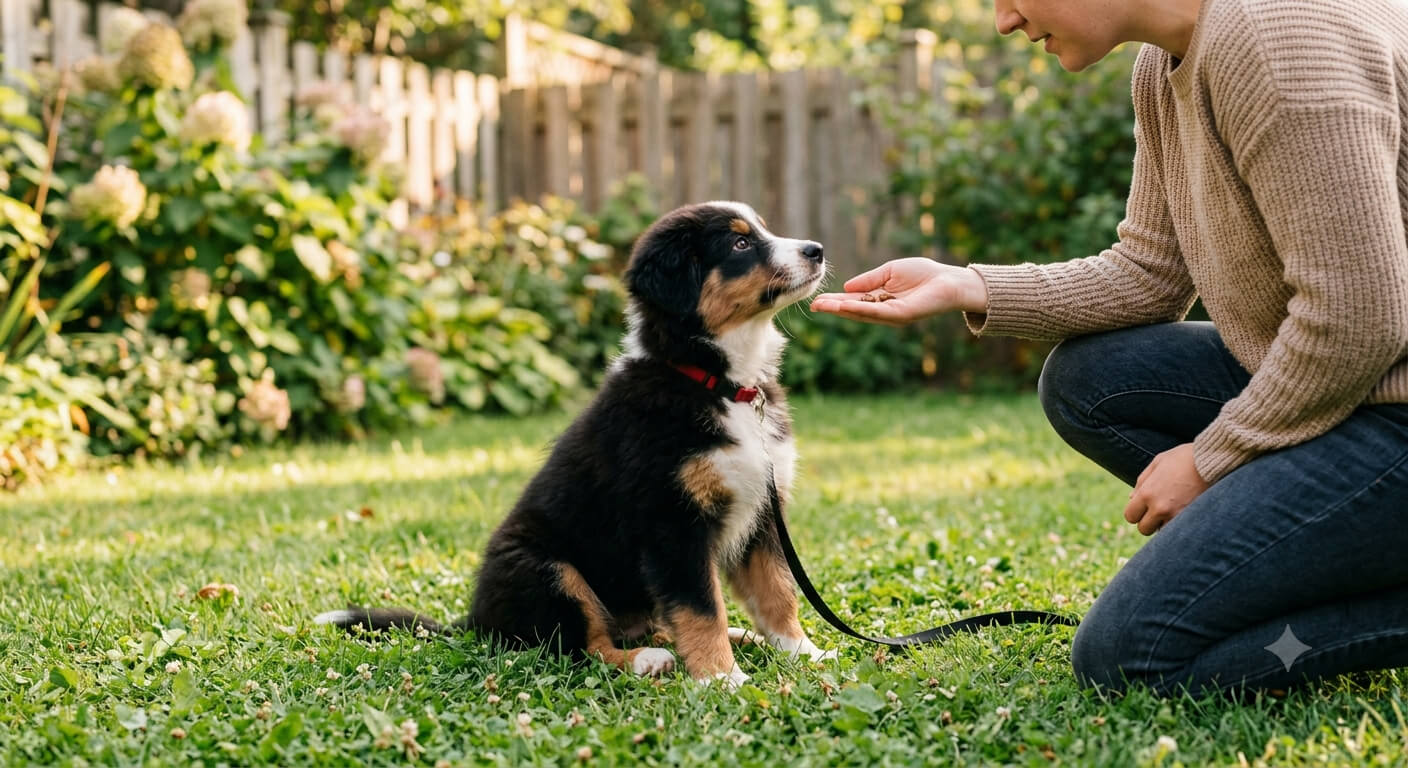
Puppy Training Schedule by Age: What to Teach and When
A realistic, stage-by-stage guide to puppy training priorities from 8 weeks through adolescence. Learn what to teach and when, how skills build cumulatively, and why practical life skills matter more than rigid command checklists.
How Long Can a Puppy Hold Their Pee?
Learn how long puppies can realistically hold their pee by age, why bladder capacity is not the same as a potty schedule, and what changes during sleep, play, crate time, and time home alone.
Puppy Potty Training Not Working? 9 Common Mistakes
Still dealing with puppy potty accidents? Learn nine common potty training mistakes, why they happen, and practical ways to get your puppy's routine back on track.