
Puppy Potty Training Schedule: A Complete Guide
Build a practical puppy potty training schedule around waking, meals, naps, play, and bedtime. Learn how to prevent accidents, reward success, and adapt the routine as your puppy grows.
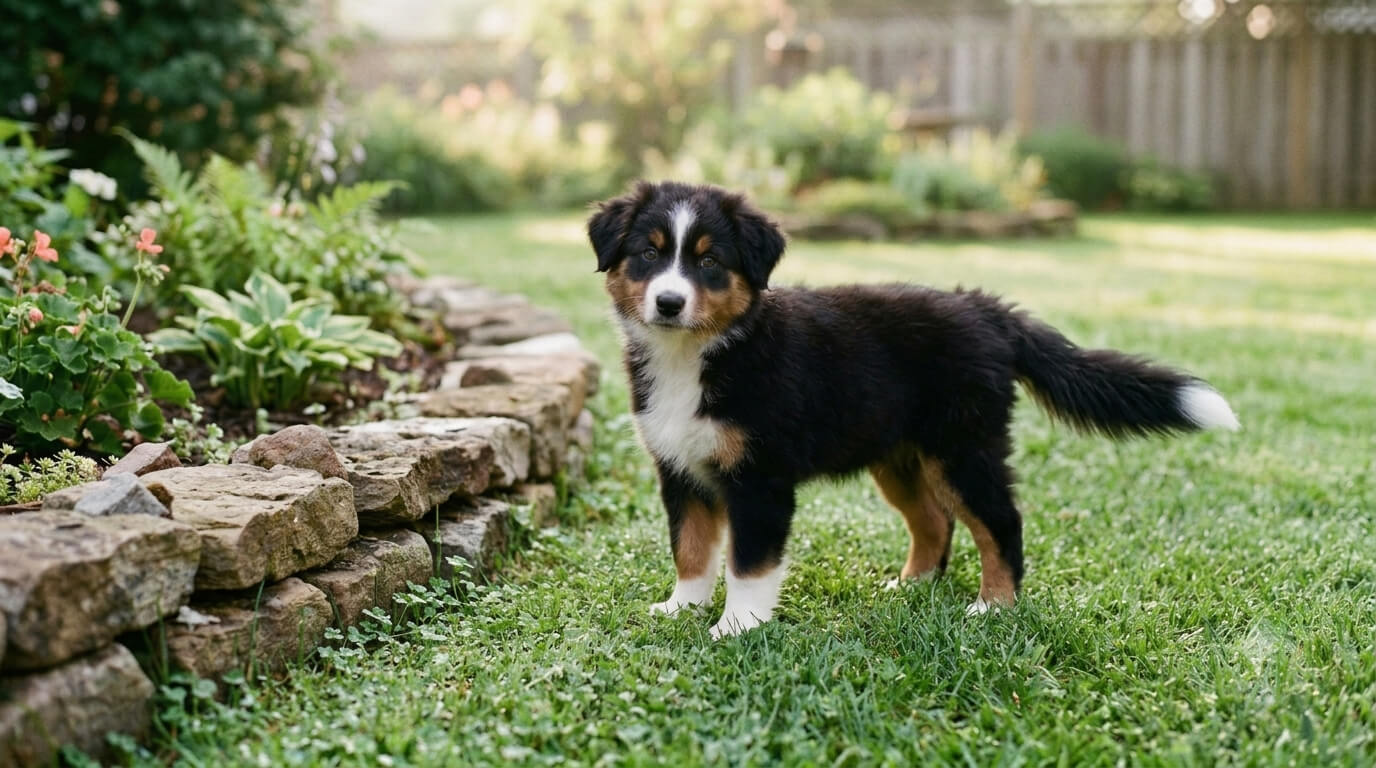
Puppy Potty Training Schedule: A Complete Guide
If you are looking for a puppy potty training schedule, here is the practical answer upfront: a reliable housetraining routine is not simply "take your puppy outside every X hours." It is built around predictable daily events.
The core pattern looks like this:
wake up → potty → meal or activity → potty → supervised time → nap → potty → repeat
Puppies learn through repeated successful opportunities in the right place, close supervision, good environmental management, and immediate, well-timed reinforcement. The schedule is the structure that gives all four of those things a chance to work together.
1. The Basic Puppy Potty Training Routine
Before looking at a sample timetable, it helps to understand the events that reliably trigger the need to eliminate. These are your natural schedule anchors.
A puppy should generally receive a potty opportunity:
- Immediately after waking in the morning -- get outside before anything else happens
- After waking from every nap, however short
- After meals
- After substantial drinking
- During and after active play sessions
- After excitement (visitors arriving, a family member coming home, meeting another dog)
- Immediately after leaving a crate, pen, or confinement area
- Before being left alone
- Promptly when you return home
- Before bedtime
- Whenever the puppy shows signs of needing to go
Very young puppies also need frequent opportunities between these events because their bladder control is still developing. For a full breakdown of potty frequency by age, see How Often Should a Puppy Pee? Puppy Potty Schedule by Age.
The key insight is that activity changes drive potty needs. Every time your puppy transitions from one state to another -- sleeping to waking, resting to playing, eating to exploring -- a potty opportunity belongs in the sequence.
2. Example Puppy Potty Training Schedule
The table below is an illustration, not a prescription. Clock times will differ for every household. What matters is the pattern of events and the potty opportunities woven around them.
| Time | Activity | Potty opportunity |
|---|---|---|
| 7:00 | Wake up | Go outside immediately |
| 7:15 | Breakfast | -- |
| After breakfast | Quiet time after eating | Outside again |
| Morning | Supervised indoor play or short training | Outside around activity changes |
| 8:30 | Nap in crate or pen | -- |
| After waking | Wakes from nap | Outside immediately |
| Late morning | Supervised play or enrichment | Potty opportunities during and after active play |
| 11:30 | Lunch (if feeding three meals) | -- |
| After lunch | Quiet time after eating | Outside |
| 12:00 | Nap | -- |
| After waking | Wakes from nap | Outside immediately |
| Afternoon | Supervised indoor or outdoor activity | Outside around activity changes |
| 3:30 | Nap | -- |
| After waking | Wakes from nap | Outside immediately |
| 5:00 | Dinner | -- |
| After dinner | Quiet time after eating | Outside |
| Evening | Supervised evening activity | Outside around activity changes |
| 7:00 | Wind-down: calm play or settling | -- |
| 8:00 | Final outing before bed | Outside |
| 8:15 | Bedtime in crate or sleeping area | -- |
This pattern -- nap, wake, outside; eat, outside; play, outside; sleep -- is repeatable and predictable. Puppies thrive on routines because the predictability itself helps them learn.
3. Why Meals, Naps, Play, and Drinking Matter
These events are useful schedule anchors because they are both predictable and physiologically relevant.
Meals: Eating stimulates movement through the digestive tract. VCA Animal Hospitals notes that puppies commonly need to relieve themselves roughly 10 to 15 minutes after a meal. Making a post-meal outdoor trip a fixed habit means you will rarely miss this window.
Naps: Puppies wake from sleep with full bladders and limited ability to wait. Going outside the moment the puppy's eyes open is one of the highest-yield habits in the entire housetraining process. A puppy that consistently eliminates outdoors right after waking builds a strong, reliable association quickly.
Play: Active, high-energy activity increases the frequency with which puppies need to eliminate. VCA recommends offering a potty opportunity approximately every 30 minutes during vigorous play. Do not wait for a signal; build the break into the activity itself.
Drinking: A puppy that has just had a significant drink will often need an outdoor opportunity before long. This is not a reason to routinely restrict normal access to fresh water simply to prevent accidents. Water needs vary, and any medically necessary changes to water access should follow veterinary guidance. It is simply a useful prompt to factor a potty trip into the schedule that follows.
4. How to Make Each Potty Trip Actually Teach Something
A trip outside that does not result in elimination is still a missed opportunity unless it is managed well. A trip outside that does result in elimination but lacks reinforcement teaches very little. Here is how to make each trip count.
Go to a consistent spot. Taking your puppy to the same area each time helps them associate that location with eliminating. Familiar scent cues can also speed up the process.
Keep the trip calm. Boisterous play before the puppy has eliminated can be distracting enough to make them forget why they are outside. Keep the energy low until after they have gone.
Give them enough time. Puppies sometimes need a couple of minutes to settle, sniff, and eliminate. Rushing them back inside too quickly leads to the frustrating pattern where they pee on the carpet immediately after coming in.
Introduce a verbal cue if you choose. Once your puppy is reliably eliminating in the correct spot, you can pair a calm word or phrase (for example, "go potty" or "be quick") with the act of elimination. Over time, the cue can prompt the behavior.
Reward immediately after elimination. This is the most important point about timing. Praise or a treat delivered the moment the puppy finishes in the right place creates a clear association: eliminating outside earns something good. Do not wait until you are back indoors; by then, the connection is lost.
Then allow normal activity. After a successful potty trip, give the puppy appropriate supervised time to play, explore, or simply be with you. The outing should not feel like a chore.
5. What If Your Puppy Does Not Pee Outside?
This situation is worth planning for, because it will happen.
- Take the puppy to the appropriate spot and give them a reasonable amount of time.
- If they do not eliminate, calmly return indoors.
- Keep the puppy under close active supervision or place them in a safe, appropriate confinement setup.
- Try again shortly afterward.
Do not give the puppy free roam of the house after an unsuccessful potty trip if you suspect they still need to go. The risk of an unsupervised accident is high. The principle here matters more than any exact timing: maintain supervision or confinement until the puppy has successfully eliminated outside.
When you do go back out, keep it calm and purposeful. If the puppy eliminates this time, reward as normal.
6. Supervision Is Part of the Schedule
Many housetraining plans focus entirely on outdoor trips and forget that what happens indoors between trips is equally important. Potty training fails most often when a puppy has more unsupervised freedom than they are ready for.
Think of your puppy's day in three practical states:
- Actively supervised: You can see the puppy and intervene immediately if needed.
- Safely confined or resting: Crate, pen, or a puppy-proofed area with appropriate chew items and water.
- Outside for an appropriate potty opportunity or activity.
Baby gates, puppy pens, and limiting access to certain rooms are tools that make supervision manageable. Tethering a puppy to you on a lightweight lead while indoors can also help you notice early potty signals before they become accidents.
Freedom should expand gradually. As the puppy demonstrates reliability in a smaller space, access to additional areas of the house can increase. Reducing access temporarily is not a punishment; it is a practical reset that makes success more likely.
7. Using a Crate During Potty Training
A crate can be a useful housetraining tool when introduced positively and used appropriately. It is not, however, a substitute for regular potty breaks.
Introduce the crate positively. Feed meals near or inside the crate, place familiar-scented bedding inside, and allow the puppy to explore it voluntarily before closing the door. The crate should be associated with rest and safety, not isolation or punishment.
Size matters. The crate should be large enough for the puppy to stand up, turn around, and lie comfortably. If it is much larger than that, some puppies may choose a corner for accidents. A divider can be useful in an adjustable crate.
Match crate time to the puppy's current capabilities. Young puppies cannot be confined in a crate for extended periods and remain comfortable and clean. If your puppy is regularly having accidents in the crate, this is useful information: the crate time may be too long, the routine may need adjustment, or there may be a health or stress-related issue worth investigating.
Go outside immediately after the crate. Every time the crate door opens, the next stop is outside. No detours, no pauses. This is one of the highest-yield habits in crate training.
Never use the crate to punish potty accidents. Placing a puppy in the crate after an accident teaches nothing about where to eliminate. It may make the crate feel like a consequence rather than a safe space.
8. What to Do When an Accident Happens
Accidents are part of the process. How you respond to them shapes both your puppy's learning and your own troubleshooting.
If you catch the puppy mid-accident:
- Stay calm.
- If you can interrupt gently without frightening the puppy, do so -- a quiet, neutral sound can sometimes work.
- Guide or carry them immediately to the correct outdoor spot.
- If they finish eliminating outside, reward them.
If you find an accident after the fact:
- Do not punish the puppy. They cannot connect a consequence to something that happened minutes or hours ago, and punishment for past accidents reliably creates confusion and fear without teaching the correct location.
- Clean the area thoroughly with an appropriate enzymatic cleaner, following the product instructions. Standard household cleaners often do not neutralize the odour compounds that can draw a puppy back to the same spot.
- Treat the accident as information and adjust the routine accordingly.
An accident is not stubbornness, spite, laziness, or dominance. It is almost always a sign that a potty opportunity was missed, an interval was too long, supervision lapsed, or freedom was expanded too quickly.
9. How to Adjust the Schedule After Accidents
Rather than treating accidents as failures, use them as data points. Patterns in accidents almost always reveal something useful about the current routine.
- Accident immediately after waking from a nap? Move more quickly to get outside after the next nap. Carry the puppy if needed.
- Accident shortly after a meal? Add an earlier post-meal trip, or move the outdoor outing closer to the end of the meal.
- Accidents during active play? Add potty breaks within the play session itself, rather than waiting until the end.
- Accident in a room the puppy recently gained access to? Reduce freedom temporarily and expand it again more gradually once reliability returns.
- Accident at a similar time of day across multiple days? That pattern is telling you something. Add a proactive outdoor outing before that window.
The goal is to prevent repeated indoor elimination while creating plenty of successful outdoor opportunities. Consistent reinforcement of elimination in the correct place helps the puppy learn the routine, while good supervision and management reduce opportunities for indoor accidents.
10. Nighttime Potty Routine
Puppies generally hold their bladder longer during sleep than during active waking periods, which is useful information for nighttime management.
End the day with a calm final outing. Make the last trip before bed low-energy and purposeful. Eliminate play and excitement. Go to the usual spot, wait for the puppy to eliminate, reward quietly, and return indoors for bed.
Set up the sleeping area so you can notice when the puppy stirs. A young puppy waking and becoming restless or whining at night is often signalling a need to go out. A crate beside the bed, or within earshot, makes it easier to respond before an accident occurs.
Keep any overnight outings brief and unstimulating. Dim lights, quiet voice, straight to the potty spot, gentle praise, and straight back to bed. Avoiding play and treats that cause excitement helps the puppy understand that nighttime outings are not events.
Let the overnight interval grow at the puppy's pace. As the individual puppy matures and demonstrates they can sleep comfortably without an outing, the overnight trips naturally taper. There is no universal age at which this should happen. Some puppies develop this capability earlier than others.
11. Potty Training When You Work or Leave Home
A puppy genuinely cannot be expected to hold their bladder for a full working day, particularly in the early months. Planning for this is part of building a workable schedule.
Depending on the puppy's age, the duration of time you are away, and the layout of your home, realistic options include:
- A family member, friend, or neighbour who can provide midday potty breaks.
- A professional dog walker or pet sitter for regular daytime visits.
- An appropriate larger puppy-safe setup with an intentional designated toilet area when outdoor trips cannot be provided during a given period.
On puppy pads and indoor toilet areas: These can be practical in some circumstances -- apartments or high-rise buildings, owners with mobility limitations, severe weather, or unavoidable gaps between outdoor trips. There is nothing inherently wrong with using them.
However, if your long-term goal is exclusively outdoor elimination, it is worth knowing that some puppies find it harder to learn a clear distinction if both indoor and outdoor locations are simultaneously acceptable. In those cases, a transition from pads to outdoors becomes an additional training step. Whether that trade-off makes sense depends on your specific situation.
The honest answer is that a puppy's housetraining needs should be part of the conversation before they come home, so that realistic plans are in place from day one.
12. Tracking the Schedule Instead of Guessing
One of the most common frustrations in housetraining is the feeling that accidents are completely random. Very often they are not, but they are hard to notice without some kind of record.
Consider what you would need to know to predict the next accident:
- When did the puppy last pee?
- When did they last poop?
- When did they eat?
- When did they drink?
- When did they last wake from a nap?
- How long have they been playing?
A simple written log for a few days can reveal individual patterns that would otherwise go unnoticed. Here is an example of what a few hours of entries might look like:
After several days of records, you may notice that your puppy consistently needs to poop about 20 minutes after the morning meal, or that accidents tend to cluster in the late afternoon. With that information, you can adjust the schedule proactively.
With Dogtales, you can log pee and poop events alongside feeding, drinking, sleep, and other daily activities. Over time, that gives you a clearer picture of your puppy's individual routine and can make it easier to anticipate the next potty break.
13. How Do You Know When the Schedule Can Become Less Frequent?
The answer is behavioural, not chronological.
Gradually increase intervals or expand freedom when your puppy is consistently successful under the current routine. If accidents return after you increase freedom or lengthen breaks, reduce the difficulty again. That is not a failure; it is the process working as intended.
Progress is rarely perfectly linear. Puppies go through developmental changes, and events like travel, visitors, illness, changes in routine, or a new environment can temporarily disrupt housetraining even in puppies who have been doing very well. Treat any regression as a temporary reset, tighten the routine briefly, and progress again from there.
14. When Potty Training Problems May Need Veterinary Attention
Most housetraining challenges respond to adjustments in routine, supervision, and management. However, some situations warrant a veterinary conversation.
Contact your veterinarian if you notice:
- A sudden, significant change in urination pattern in a puppy who was previously managing well
- Repeated unusually frequent urinations producing small amounts
- Straining or apparent difficulty passing urine
- Blood in the urine
- Signs of pain or discomfort when urinating
- Excessive thirst alongside increased urination
- Persistent loose stools or diarrhoea alongside frequent accidents
- Frequent accidents despite a well-managed routine that was previously working
- Any other signs of illness
The existing article How Often Should a Puppy Pee? Puppy Potty Schedule by Age covers medical causes of unusually frequent urination in more detail.
Frequently Asked Questions
How often should I take my puppy outside while potty training?
Base your schedule on triggers rather than a fixed clock interval. Every time your puppy wakes, eats, drinks substantially, plays actively, or shows signs of needing to go, that is a potty opportunity. Very young puppies will need frequent opportunities throughout the day beyond those anchor events. For detailed age-based frequency guidance, see How Often Should a Puppy Pee? Puppy Potty Schedule by Age.
Should I take my puppy out immediately after eating?
Yes. Meals are a reliable potty trigger. Build an outdoor outing into your routine shortly after every meal. VCA notes that puppies commonly need to relieve themselves roughly 10 to 15 minutes after eating, so the post-meal trip should happen sooner rather than later.
Should I wake my puppy at night to pee?
There is no universal answer. Base the decision on your puppy's individual pattern. If the puppy is waking and signalling restlessness at a certain point overnight, responding to that signal is appropriate. If the puppy is sleeping through comfortably, waking them may not be necessary. Track what happens over several nights and adjust based on your individual puppy rather than a generic schedule.
What if my puppy pees immediately after coming back inside?
This usually means they did not fully eliminate outside, often because they were too distracted or did not have enough time. After an unsuccessful outdoor trip, return inside and either maintain active supervision or place the puppy in a safe confinement setup. Try again shortly afterward. Do not allow free roam if you suspect the puppy still needs to go.
How long does puppy potty training take?
There is no reliable universal timeline. How long it takes depends on the puppy's age, any previous learning history, the consistency of the routine, the physical layout of the home, opportunities for successful outdoor practice, and individual development. Consistency in management and reinforcement -- rather than calendar weeks -- is what drives progress.
Should I use puppy pads?
Puppy pads can be useful in some circumstances: apartments, high-rise buildings, owners with mobility limitations, severe weather, or unavoidable periods between outdoor trips. If your long-term goal is outdoor-only elimination, keep in mind that simultaneously allowing both indoor and outdoor elimination can require an extra transition step for some puppies. Neither approach is inherently wrong; the right choice depends on your living situation and long-term goals.
Share this article
Keep your dog healthy and happy with Dogtales
Track meals, medication, potty breaks, weight, vaccinations, and daily reminders in one intuitive app.
Related Articles
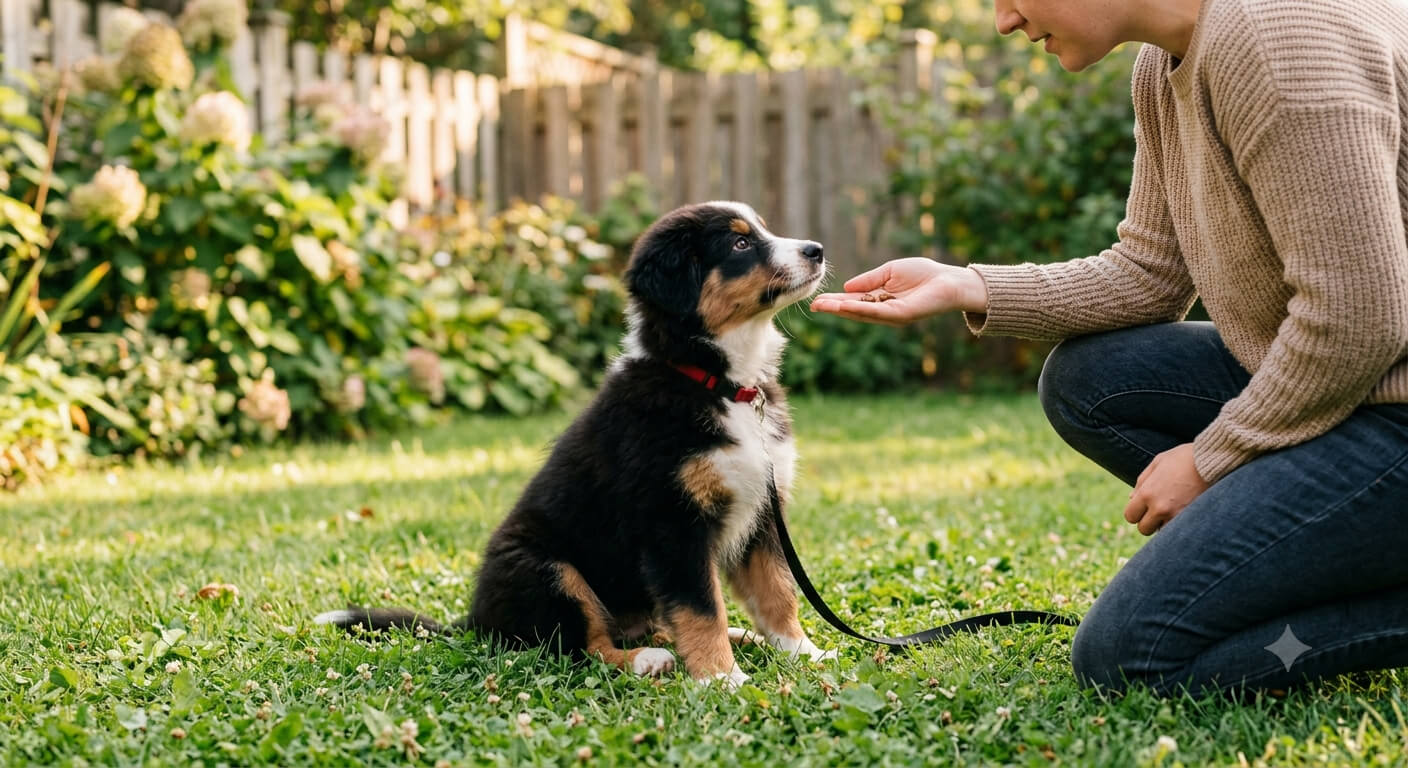
Puppy Training Schedule by Age: What to Teach and When
A realistic, stage-by-stage guide to puppy training priorities from 8 weeks through adolescence. Learn what to teach and when, how skills build cumulatively, and why practical life skills matter more than rigid command checklists.
How Long Can a Puppy Hold Their Pee?
Learn how long puppies can realistically hold their pee by age, why bladder capacity is not the same as a potty schedule, and what changes during sleep, play, crate time, and time home alone.
Puppy Potty Training Not Working? 9 Common Mistakes
Still dealing with puppy potty accidents? Learn nine common potty training mistakes, why they happen, and practical ways to get your puppy's routine back on track.