
How Much Should a Puppy Sleep? A Guide by Age
How much should a puppy sleep? Learn how puppy sleep changes with age, why young puppies rest so much, what’s normal, and when changes in sleep may need veterinary attention.
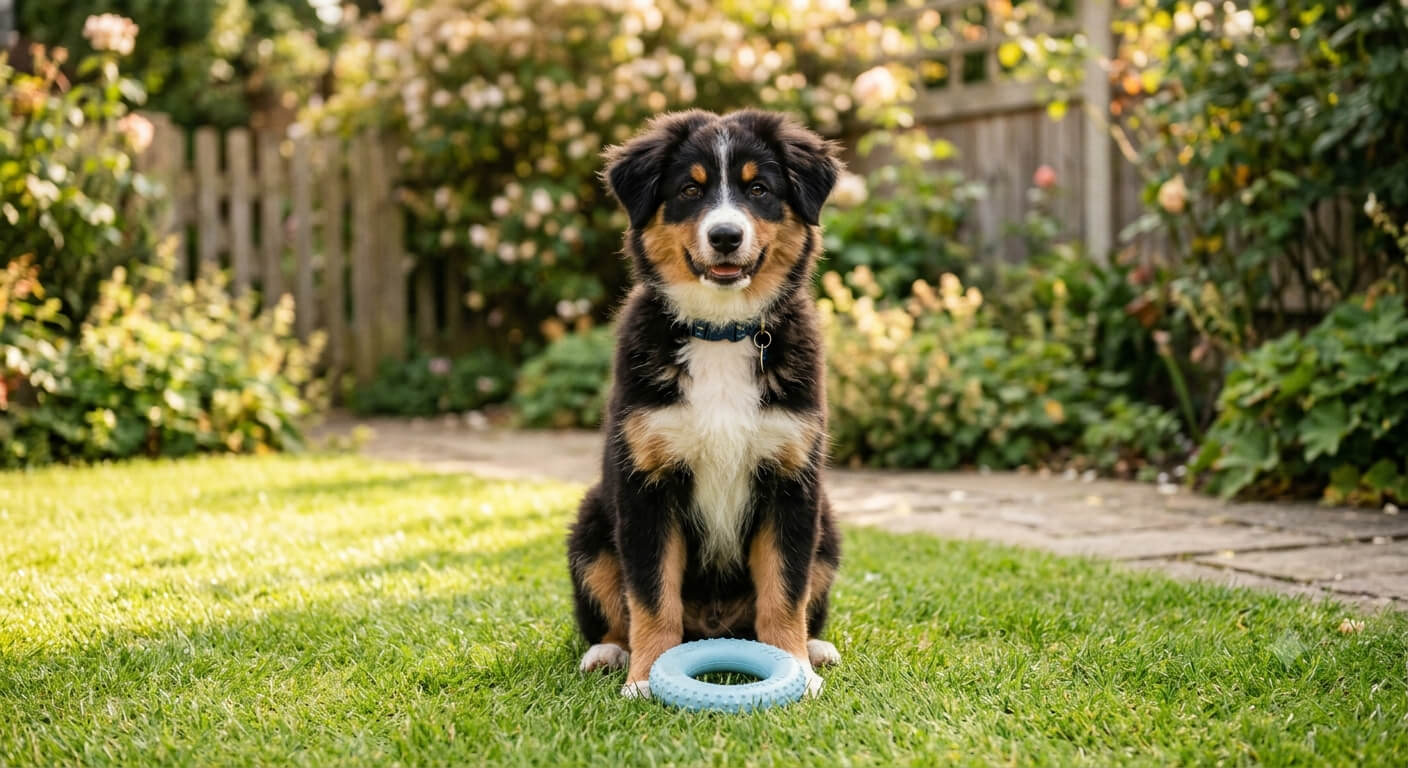
How Much Should a Puppy Sleep? A Guide by Age
If you recently brought home a new puppy, you have probably spent time watching them sleep and wondering: is this normal?
For many new owners, puppy sleep brings surprise in one of two directions. Some puppies seem to sleep almost constantly, curling up after only a few minutes of play and nodding off in the middle of the floor. Other puppies seem to fight sleep entirely, trailing family members from room to room and resting far less than the neat charts on the internet suggest.
If you are asking yourself how much should a puppy sleep, the most reassuring starting point is this: there is no single, universal number of hours that every healthy puppy must sleep each day.
Puppies naturally spend a large part of the day sleeping and resting, especially in their earliest weeks. However, age, breed, individual temperament, daily activity, household environment, and health all influence how much rest any individual puppy needs.
This guide explores what normal puppy sleep looks like, why young puppies rest so much, how sleep patterns shift from 8 weeks to adolescence, how to evaluate your own puppy, and how to tell the difference between healthy sleep and genuine lethargy.
1. How Much Do Puppies Sleep?
When new owners ask, "How many hours do puppies sleep each day?" they commonly encounter claims that puppies must sleep 18 to 20 hours per day.
Veterinary and canine-care sources commonly describe young puppies as sleeping for a large part of a 24-hour day and often cite broad ranges around 16 to 20 hours. However, these are rough observations rather than age-specific sleep requirements. There is no verified biological rule stating that every healthy puppy must sleep a particular number of hours.
The problem with rigid numbers is that they create unnecessary worry:
- If your puppy seems to sleep constantly: You may worry they are sick, depressed, or lacking energy.
- If your puppy sleeps less than online charts claim: You may worry their development is off track or that you are failing as a caregiver.
- If your puppy sleeps much more than another puppy: You may assume one of the two dogs has an underlying health issue.
- If your puppy's sleep has changed: You may wonder whether a shift in routine is normal development or a sign of trouble.
In reality, puppies are developing biological individuals, not synchronized machines. Sleep is flexible. It ebbs and flows depending on physical development, mental stimulation, activity, environment, and family routines.
Rather than trying to force your puppy to hit a specific mathematical quota on a clock, focus on how they look, act, and feel. A puppy who wakes alert, eats with enthusiasm, engages with their family, and moves with normal coordination is generally getting the rest they need. Practical observation of the individual puppy matters far more than hitting a number.
2. Why Do Puppies Sleep So Much?
It can be surprising to watch a young puppy play with intense energy, only to collapse in a heap shortly afterward. Why do puppies sleep so much?
Sleep and rest are normal parts of physical development, neurological development, learning, and recovery from activity:
Physical Development
During puppyhood, the body is growing rapidly. Muscles, bones, connective tissues, and internal organs undergo major changes over the first year. Quiet rest is an essential, normal component of healthy physical growth.
Neurological Development
A puppy's brain and nervous system are maturing rapidly during early life. Sleep is an essential part of normal neurological development as young dogs grow.
Processing Stimulation and Learning
Every day presents new sensory input for a puppy. Sights, sounds, smells, handling, new environments, and household routines all represent novel information. Rest gives puppies the opportunity to process and adapt to daily learning and stimulation.
Recovery from Activity
Puppies do not pace themselves like mature adult dogs. When they are awake, they often explore and play with high enthusiasm, which naturally tires them out. Sleep provides regular opportunities for physical recovery.
Normal Polyphasic Sleep
Unlike adult humans, who typically take most of their sleep in one long overnight stretch, puppies are naturally polyphasic sleepers. They sleep in multiple bouts distributed across the day and night. Periods of activity separated by rest are simply their natural daily pattern.
3. Puppy Sleep by Age
As a puppy grows from an 8-week-old infant into a mature yearling, their sleep patterns evolve significantly. Waking windows lengthen, daytime rest consolidates, and nighttime sleep stretches into longer, uninterrupted blocks.
The table below describes how sleep and rest patterns typically unfold across developmental stages. Notice that this table does not prescribe mandatory hourly quotas or nap counts. Instead, it illustrates how puppy sleep by age naturally transforms over time.
| Age | General Sleep/Rest Pattern | What Owners May Notice | Developmental Context |
|---|---|---|---|
| 8 to 10 weeks | Frequent sleep throughout the day; periods of activity separated by rest | Puppy falls asleep easily in various spots; needs frequent rest between short waking periods; overnight potty opportunities are common | Rapid early growth; limited physical stamina; immature bladder control |
| 10 to 12 weeks | Periods of activity separated by rest; waking periods may gradually lengthen | Puppy stays engaged slightly longer during gentle play; settles into rest after meals and outdoor outings | Expanding environmental curiosity; familiar routines begin to form |
| Around 3 months | Periods of activity separated by rest; nighttime sleep stretches may gradually lengthen | More recognizable daily resting patterns emerge; overnight waking may become less frequent for some puppies | Gradual increase in bladder capacity; improving physical coordination |
| Around 4 months | Regular resting periods alternating with active exploration and training | Teething may become noticeable and can temporarily affect comfort or settling; puppy may seek cooler resting spots | Adult teeth begin emerging; ongoing physical growth |
| 5 to 6 months | Daytime naps remain important even as physical stamina increases | Puppy can sustain longer active periods, but still benefits from quiet downtime to rest and reset | Physical endurance continues to build; adolescent changes may begin in some dogs |
| 6 to 9 months | Sleep patterns may become increasingly adult-like as the puppy matures | Solid overnight rest is common; daytime sleep may be influenced by exercise, training, and household activity | Canine adolescence; physical size approaches adult proportions |
| 9 to 12 months | Increasingly adult-like sleep pattern, with substantial individual variation remaining | Dog often settles around the household's normal periods of activity and quiet | Approaching physical and behavioral maturity |
4. How Much Should an 8 to 10 Week Old Puppy Sleep?
When an 8 to 10 week old puppy first arrives in your home, they are undergoing one of the largest transitions of their life. They have just left their mother, their littermates, and the only environment they have ever known.
A question many new owners ask during their first days home is: how much should an 8 week old puppy sleep?
At this stage, puppies sleep frequently throughout the day and night. Very young puppies commonly alternate relatively short periods of activity with frequent sleep. During their waking periods, the puppy goes outside to eliminate, eats meals, explores their immediate surroundings, and interacts with family members before settling again.
What owners often notice at 8 to 10 weeks:
- Sudden transitions to sleep: A young puppy might be playing one moment and fast asleep on the floor the next. This sudden drop-off is normal and reflects limited physical stamina.
- Light and deep sleep cycles: You will often see rapid breathing, twitching paws, and quiet whimpers while your puppy sleeps. This is normal sleep behavior and is not a cause for alarm.
- Overnight wakeups: An 8 to 10 week old puppy has an immature bladder. Young puppies may need one or more overnight potty opportunities, and individual bladder control varies substantially.
If you are coordinating meals and bathroom visits around your puppy's rest, see our guides on Puppy Feeding Schedule by Age and How Often Should a Puppy Pee? to understand how these routines fit together.
5. How Much Should a 10 to 12 Week Old Puppy Sleep?
Between 10 and 12 weeks, puppies begin showing slightly greater stamina. Waking periods may gradually lengthen as puppies mature, and their curiosity about their environment continues to grow.
At this age, puppies still spend a large portion of the day resting, but their sleep often begins following a more predictable pattern. Rather than falling asleep wherever they stand, they may show subtle signs of fatigue, such as seeking out a familiar spot or becoming less engaged with toys.
Key observations for 10 to 12 weeks:
- Gradually lengthening wakefulness: Waking periods may gradually lengthen, allowing for slightly longer periods of interaction and gentle learning between naps.
- Vulnerability to overstimulation: Because they are increasingly interested in their surroundings, some 10 to 12 week old puppies have difficulty settling if the room is bright, noisy, or filled with family movement. Providing a quiet, comfortable space helps them settle.
- Lengthening nighttime stretches: Nighttime sleep stretches may gradually lengthen, while some puppies still need overnight potty opportunities as bladder control develops at its own pace.
6. How Much Should a 3 to 4 Month Old Puppy Sleep?
Owners wondering how much should a 3 month old puppy sleep or how much should a 4 month old puppy sleep will notice that daily rest often becomes more predictable. As puppies mature, some begin showing longer waking periods and more recognizable resting patterns throughout the day.
At around 3 to 4 months, developmental changes can also influence how comfortably a puppy settles:
- Teething and comfort: Teething commonly becomes noticeable during this stage of puppyhood as baby teeth loosen and adult teeth begin to emerge. Tender gums can temporarily affect comfort or settling. You may notice your puppy shifting positions, chewing on their bedding, or preferring cooler surfaces.
- Improving bladder control: Overnight bladder control may be improving, but some puppies still need overnight potty opportunities depending on their individual physical development. To learn more about how bladder stamina matures, read How Long Can a Puppy Hold Their Pee?.
- Clearer periods of focus: During awake periods, puppies at this stage often show greater focus for short training games, exploratory walks, and interaction.
7. How Much Should a 5 to 6 Month Old Puppy Sleep?
At 5 to 6 months, puppies are growing rapidly in size and strength. A 6-month-old puppy may look like an adult dog from a distance, leading some owners to wonder how much should a 6 month old puppy sleep and whether their dog should already match adult habits.
In reality, daytime rest remains important for 5 to 6 month old puppies even as waking periods and physical stamina increase. Physical and neurological development is ongoing, and young dogs still need quiet periods throughout the day to recover and reset.
What to expect at 5 to 6 months:
- Rest remains essential: Daytime rest remains important even as waking periods and physical stamina increase, helping puppies recharge after exercise and mental activity.
- Developing self-settling habits: Puppies who have had consistent support around quiet resting areas often begin settling on their own when tired.
- Adolescent transitions: Adolescence develops at different times in different dogs. Behavioral changes or increased interest in the environment can sometimes affect established routines, making consistent opportunities for calm rest helpful.
8. How Much Should a 6 to 12 Month Old Puppy Sleep?
Between 6 and 12 months, your puppy enters canine adolescence and approaches physical maturity. During this stage, sleep patterns may become increasingly adult-like, while substantial individual variation remains.
Many adolescent dogs sleep soundly overnight and take relaxed resting periods during the day. However, daily activity, temperament, and living environments continue to shape their rest.
Key factors during the 6 to 12 month window:
- Breed, size, and individual development: Sleep patterns can vary with breed, size, temperament, activity, and individual development. Different dogs mature physically and behaviorally at different rates, leading to natural differences in how much they rest.
- Adolescent energy and focus: As physical energy and curiosity grow, adolescent dogs may seek out activity rather than resting when bored. Providing appropriate outlets for mental enrichment and exercise helps them settle comfortably.
- Adapting to household rhythms: As puppies mature, many become better able to settle around the household's normal periods of activity and quiet.
9. Is It Normal for a Puppy to Sleep All Day?
One of the most common concerns from first-time puppy owners is waking up to what feels like non-stop resting: "My puppy seems to sleep all day. Is that normal?"
If you find yourself asking, is it normal for puppies to sleep a lot, the answer for most young puppies is an emphatic yes.
To a human who is used to staying awake for most of the day in a single stretch, a young puppy's polyphasic rhythm can look like continuous sleeping. Young puppies alternate relatively short periods of exploration and play with frequent sleep. These repeated cycles of activity and rest can easily make a young puppy appear to spend most of the day asleep. To an owner watching the clock, a puppy sleeping all day is often simply an owner observing normal canine biology in action.
Here is how to assess whether that frequent sleep is healthy:
- Look at the waking periods: When your puppy is awake, are they lively, curious, and engaged? Do they interact with you, explore their toys, and investigate their surroundings?
- Check basic habits: Are they eager for meals? Are they drinking water? Are their urination and bowel habits consistent with their normal pattern?
- Observe waking responsiveness: When you call their name, prepare food, or open their resting area, do they wake up and show normal interest?
If the answer to those questions is yes, your puppy sleeping a lot is simply doing what young animals naturally do: resting between periods of activity.
10. How to Tell Whether Your Puppy Is Getting Enough Rest
Many articles online suggest that you can diagnose insufficient sleep based purely on unwanted behavior. It is common to see claims that puppy biting, zoomies, barking, or inability to settle are definitive proof that a puppy is sleep-deprived.
That connection is often oversimplified.
Behaviors such as nipping, racing in circles, barking, and difficulty settling have dozens of potential causes. They can be normal expressions of play, physical discomfort from teething, frustration, lack of mental stimulation, or normal evening energy surges. While a tired or overstimulated puppy may have more difficulty settling or engaging productively with training and play, these behaviors do not prove sleep deprivation by themselves.
Instead of trying to interpret every burst of nipping as a sleep calculation, look for practical, balanced indicators that your puppy is getting adequate rest:
- Ability to recover: After an exciting walk or training interaction, your puppy is able to lie down and rest within a reasonable timeframe.
- Steady vitality: Your puppy displays predictable, healthy energy when awake, rather than persistent, dull sluggishness.
- Easy transitions: Your puppy moves between active exploration and calm rest without prolonged distress or agitation.
- Receptiveness to learning: Your puppy is capable of engaging in brief training interactions and processing gentle feedback during their awake windows.
11. Can a Puppy Sleep Too Much?
Because puppies sleep so frequently, owners often wonder if there is an upper limit. Can a puppy sleep too much?
Rather than trying to identify an arbitrary number of hours that constitutes "too much," veterinarians look at changes in personal baseline and the quality of wakefulness.
Sleeping frequently can be entirely normal for a young, rapidly growing puppy. However, the more useful question is whether:
- The pattern has changed substantially: A puppy who normally has lively periods of activity suddenly spends far more time sleeping and is difficult to engage when awake.
- Wakefulness is poor: When the puppy does wake up, they seem unusually weak, disoriented, or reluctant to move.
- Interest in food and water disappears: The puppy ignores food, turns away from high-value treats, or fails to drink water.
- Elimination changes: The puppy has not urinated for an extended period, has loose stools, or shows signs of discomfort while eliminating.
- Other symptoms are present: The puppy shows signs of pain, nausea, fever, coughing, or difficulty breathing.
If your puppy's total sleep time seems high, but their behavior, appetite, drinking, and responsiveness when awake are consistent with their normal pattern, their sleep amount is almost certainly appropriate for their individual developmental stage.
12. What If My Puppy Does Not Sleep Much?
On the other end of the spectrum are puppies who seem unable to settle. Owners often report that their puppy paces, whines, jumps at every noise, and resists sleeping during the day.
When a puppy struggles to rest, the root cause is rarely an internal biological refusal to sleep. More often, it is a matter of environmental stimulation and routine structure.
Common factors that prevent puppies from getting adequate rest:
- A busy, central resting location: Placing a puppy bed in the middle of a high-traffic kitchen or near a loud television makes deep rest difficult. Every passing footstep triggers their instinct to investigate.
- Constant human movement: Puppies naturally want to stay near their social group. If family members are constantly moving from room to room, the puppy may trail behind everyone rather than lying down to rest.
- Excessive or continuous stimulation: Keeping toys constantly scattered, initiating games every time the puppy looks bored, or hosting frequent visitors can keep a puppy in a state of ongoing arousal.
- Uncomfortable resting spaces: A room that is too warm, bedding that causes itching, or a crate placed in drafty air can disrupt settling.
- High arousal right before rest: Engaging in rough wrestling, intense fetch, or noisy play immediately before expecting a puppy to sleep often leaves their nervous system too revved up to settle.
- Poorly introduced confinement: If a crate or playpen has not been introduced with gradual, positive associations, placing the puppy inside can cause anxiety and vocalizing rather than relaxation.
For guidance on how to structure quiet rest periods alongside meals and potty breaks, explore our comprehensive Puppy Schedule by Age: 8 Weeks to 12 Months.
13. Sleep vs. Lethargy: An Important Difference
Understanding the distinction between normal sleep and clinical lethargy is one of the most critical skills a puppy owner can develop.
A puppy sleeping a lot and lethargy are not synonymous. Sleeping frequently is a normal physiological state. Lethargy means an abnormal reduction in energy, responsiveness, or willingness and ability to engage, and it may occur with illness.
The Naturally Sleepy Puppy
A healthy, tired puppy may sleep deeply. They might twitch, sigh, or take a few moments to blink open their eyes when you walk past. Once awake, however, a normally sleeping puppy should generally return to their usual level of responsiveness and activity. They show their typical interest in food, engage with family members, and explore their surroundings normally.
The Lethargic Puppy
A lethargic puppy does not simply look sleepy. Lethargy involves an abnormal drop in vitality and responsiveness. A puppy experiencing lethargy may be unusually difficult to rouse, seem weak or unsteady when standing, or show little to no willingness to engage with people or food.
Sleeping frequently is normal. Marked weakness, difficulty waking, inability or reluctance to stand, significantly reduced appetite, and abnormal responsiveness are not. However, owners cannot diagnose illness from this distinction alone. If you observe signs that suggest genuine lethargy rather than healthy sleep, contact a veterinarian promptly for advice.
14. What Can Affect How Much a Puppy Sleeps?
If you notice that your puppy sleeps more or less than another dog of the same age, several everyday variables may explain the difference:
- Age and developmental stage: As detailed above, younger puppies sleep far more frequently than older juveniles.
- Individual temperament: Just like humans, some puppies are naturally calm and relaxed, settling easily whenever the household is quiet. Other puppies have higher baseline curiosity and react quickly to any environmental change.
- Breed and size: Breed and size may influence activity and resting patterns, but there is substantial individual variation and no reliable breed-specific sleep-hour requirement.
- Activity and enrichment: Activity, training, social experiences, and novel environments can influence how and when an individual puppy rests afterward.
- Novelty and stimulation: Visiting the veterinarian, meeting new people, or exploring an unfamiliar setting introduces a substantial amount of new sensory input, which can affect when and how a puppy settles.
- Household environment: A quiet home with one or two calm adults naturally encourages different daytime resting patterns than a bustling household with active children, other pets, and frequent visitors.
- Changes in routine: Moving to a new home, starting training classes, or adjusting to changing family schedules can temporarily alter how a puppy rests.
- Ambient temperature and environmental comfort: Puppies are sensitive to temperature. Warm rooms can make a puppy sleepy and reluctant to move, while cold drafts can cause shivering and restless shifting.
- Recent veterinary care or minor discomfort: Mild discomfort from teething or normal immune responses following routine vaccinations can temporarily alter rest patterns.
15. Tracking Your Puppy's Sleep
You do not need to sit beside your puppy with a stopwatch, logging every minute they close their eyes. Obsessive measurement creates needless anxiety.
However, gentle tracking can be genuinely helpful during the first weeks at home:
- Establishing a new routine: Tracking helps you discover your puppy's natural rhythms so you can schedule meals, potty trips, and work around their resting times.
- Understanding natural rest: Logging helps you see when your puppy naturally winds down during the day, making it easier to provide quiet spaces at the right times.
- Coordinating family members: When multiple people care for a puppy, logging events ensures everyone knows when the puppy last slept, ate, or went outside.
- Investigating a noticeable change: If your puppy suddenly seems off, having a record of their usual habits helps you spot genuine deviations from their baseline.
- Comparing sleep with other events: Sleep does not happen in isolation. It is closely linked to eating, drinking, and elimination.
A simple daily timeline often looks like this:
Observing patterns over several days is always more helpful than focusing on an isolated incident. One unusual nap is generally less informative than a persistent change in the puppy's normal pattern.
The Puppy Sleep Schedule Generator can help structure regular opportunities for rest around your routine. It does not calculate how many hours of sleep your puppy medically needs.
How Dogtales Helps
If you want a simple, uncluttered way to keep track of your puppy's daily rhythm, the Dogtales app allows you to log events in one unified timeline:
- Sleep and naps
- Feeding and treats
- Drinking water
- Pee and poop breaks
- Walks, play, and training sessions
Dogtales does not diagnose sleep problems, determine whether a puppy is healthy, predict illness, or calculate how much sleep a puppy medically needs. Instead, it serves as a practical daily timeline, helping you recognize your puppy's personal rhythm and notice when that routine changes over time.
16. When Changes in Puppy Sleep Need Veterinary Attention
Because puppies sleep so frequently, it is easy for new owners to second-guess themselves. When does a change in sleep warrant a call to the vet?
The general rule is simple: seek veterinary advice whenever a significant change in sleep occurs alongside other concerning symptoms.
Contact your veterinarian promptly if your puppy is sleeping unusually much and exhibits any of the following signs:
- Unusual lethargy or weakness: Your puppy struggles to stand, stumbles, or appears wobbly when walking.
- Difficulty waking: Your puppy cannot be roused with normal sounds, gentle touch, or food.
- Reduced or absent appetite: Your puppy skips meals or shows marked disinterest in eating.
- Repeated vomiting: Repeated vomiting can contribute to dehydration and warrants veterinary advice, particularly in a young puppy.
- Persistent or significant diarrhea: Loose, watery stools warrant veterinary assessment, especially if prolonged.
- Pain or discomfort: Whimpering, crying, panting, or trembling when resting or when gently handled.
- Breathing difficulty: Rapid, labored, or noisy breathing while resting quietly.
- Abnormal responsiveness: Pale gums, disorientation, or a marked lack of normal awareness.
- Major changes in urination: Inability to produce urine, excessive straining, or blood in the urine.
- Collapse or severe weakness: Complete inability to support their own weight.
- Other signs that the puppy is unwell: Any marked, persistent change in vitality and overall physical condition.
Very young puppies can become unwell quickly, so seek veterinary advice promptly when a young puppy shows marked lethargy, weakness, difficulty waking, significant gastrointestinal symptoms, or other concerning changes.
At the same time, do not encourage unnecessary emergency visits simply because a healthy puppy sleeps frequently. If your puppy wakes easily, plays normally, eats with appetite, and shows habits consistent with their normal baseline, their frequent sleep is a normal reflection of puppy development.
17. Frequently Asked Questions
How many hours a day should a puppy sleep?
Commonly published estimates often describe young puppies as sleeping for a large portion of a 24-hour day, frequently citing ranges around 16 to 20 hours. However, these are broad observations rather than mandatory targets. Healthy puppies vary based on age, breed, environment, and daily activity. Practical observation of your puppy's energy and responsiveness when awake matters far more than hitting an exact hourly number.
Is it normal for my puppy to sleep most of the day?
Yes. For young puppies between 8 and 12 weeks of age, sleeping throughout large portions of the day is completely normal. Their polyphasic sleep pattern alternates short periods of waking exploration with frequent resting periods. As long as they are alert, playful, eating well, and responsive when awake, frequent sleep is healthy.
How much should an 8 week old puppy sleep?
An 8-week-old puppy naturally alternates relatively short periods of activity with frequent sleep throughout the day and night. They also commonly require one or more overnight potty opportunities because individual bladder control is still developing.
How much should a 3 month old puppy sleep?
At 3 months (around 12 weeks), puppies stay awake slightly longer and some puppies begin showing more recognizable daily resting patterns. Nighttime sleep stretches may also gradually lengthen as bladder capacity improves, though individual timing varies.
Do puppies sleep more during growth spurts?
A puppy's sleep can vary during periods of growth and development, but there is no fixed amount of extra sleep that should occur during a "growth spurt." Focus on your puppy's overall behavior and changes from their normal pattern.
Should I wake my puppy from a nap?
Healthy puppies should generally be allowed to rest. Sleep is an essential part of normal physical and neurological development. However, practical needs such as housetraining, veterinary instructions, or an individual care plan may sometimes require gently waking a puppy.
Why is my puppy suddenly sleeping more?
Routine and activity can affect sleep, but a substantial or persistent change from baseline, particularly if accompanied by reduced appetite, fever, weakness, or gastrointestinal upset, warrants veterinary advice.
How can I tell if my puppy is sleeping or lethargic?
A normally sleeping puppy returns to their usual level of responsiveness, activity, and interest in food and family once awake. A lethargic puppy shows an abnormal drop in energy, is difficult to rouse, and appears weak, unsteady, or unusually disengaged.
When do puppies start sleeping less?
Waking periods generally lengthen gradually through puppyhood and adolescence, with timing varying substantially among individual dogs. As puppies mature physically and behaviorally, their sleep patterns gradually become more like those of adult dogs.
Should I track my puppy's sleep?
Tracking is not mandatory, but it can be very helpful during the first few weeks at home. Recording sleep, feeding, and potty breaks helps you recognize your puppy's natural routine, coordinate household care, and notice if their personal baseline shifts.
Share this article
Keep your dog healthy and happy with Dogtales
Track meals, medication, potty breaks, weight, vaccinations, and daily reminders in one intuitive app.
Related Articles
First Week With a Puppy: What to Expect
The first week with a puppy is about safety, basic needs, gentle routine, and helping them adjust. Learn what to expect, what to prioritize, and how to navigate the first seven days realistically.
New Puppy Checklist: What You Actually Need
Bringing home a puppy does not require an endless shopping cart. Here is a practical, realistic checklist of what you actually need before day one, what can wait, and the non-product preparation that matters most.
Puppy Daily Routine: What to Track in the First Year
A useful puppy routine is not about making every day identical. Learn which daily events are actually worth tracking, how to identify meaningful patterns, and how to avoid tracking overload.