
Seasonal Health Concerns: Keeping Your Dog Safe Year-Round
A practical guide to seasonal dog health. Learn how to navigate weather shifts, manage parasite and plant hazards, prevent heat and cold illness, and recognize symptoms requiring veterinary care.
Seasonal Health Concerns: Keeping Your Dog Safe Year-Round
Changing temperatures, humidity, daylight, vegetation, parasites, wildlife, and road de-icers alter outdoor hazards throughout the year.
Environmental risks do not follow rigid calendar boundaries. A dog in Austria navigates alpine snowpack and freezing temperatures. A dog in Florida contends with humidity, standing water, and year-round mosquitoes, fleas, and ticks. In Scandinavia, dogs face winter darkness and sub-zero cold, while in Australia, owners manage venomous snakes, paralysis ticks, and extreme heat.
Ticks do not activate at a universal temperature, parasites do not vanish on schedule, and allergy seasons vary by region. Protection requires understanding local conditions, observing changes, and partnering with your veterinarian.
Spring: Parasites, Allergens, and Returning Outdoor Activity
Warmer weather and plant growth introduce new hazards as outdoor exercise increases.
Ticks and Fleas
Parasite activity depends on biology, climate, and microclimates rather than calendar dates.
Ticks lack a universal temperature threshold; the claim that ticks activate only above 4°C (40°F) is inaccurate. Species like Ixodes ricinus and Ixodes scapularis quest in cool weather whenever humidity allows. Outdoor flea reproduction slows in freezes, but fleas reproduce indoors year-round and stay active outside in mild climates.
Precautions:
- Consult your veterinarian: Choose preventatives targeting regional threats like Lyme disease, tick-borne encephalitis, anaplasmosis, and babesiosis.
- Maintain dosing schedules: Administer medications on time without lapses.
- Inspect high-risk areas: Check ears, neck, armpits, groin, between toes, and collar lines after walks. Prompt removal with a tick tool reduces infection risks.
Seasonal Environmental Allergies
Dogs develop environmental allergies to pollens and mold spores, primarily affecting skin and ears.
Signs include paw licking, face rubbing, scratching, red skin, and recurrent ear inflammation. Red eyes or scratching alone do not confirm allergies; parasites, secondary infections, and food reactions produce similar signs. Persistent itching or ear problems warrant veterinary evaluation.
Foxtails, Grass Awns, Burrs, and Seeds
Barbed grass awns (foxtails, wild barley) are serious hazards whose backward-facing barbs migrate forward into tissue.
Awns lodge between toes, enter ears, eyes, or nostrils, or burrow into deeper tissues. Inspect paws, ears, and coat after walks near dry grasses.
Signs include sudden paw licking, head shaking, sneezing, squinting, or draining swellings. Barbed awns penetrating tissue require veterinary removal, unlike simple burrs that tangle loosely in fur.
Summer: Heat, Hot Surfaces, Water, and Sun
Summer demands vigilance regarding heat illness, scorching surfaces, water hazards, and solar exposure.
Heat-Related Illness
Dogs cool primarily through panting (evaporative cooling), supported by peripheral vasodilation and minor paw perspiration. High humidity impairs evaporative cooling, causing core body temperature to surge rapidly even in moderate heat.
Risk factors include temperature, humidity, direct sun, shade, water access, exertion, acclimatization, obesity, age, health, and coat density. Airway anatomy is critical: brachycephalic breeds (Bulldogs, Pugs, Boston Terriers) have compressed upper airways, creating vulnerability in mild weather.
Signs progress from heavy panting and thick drool to brick-red gums, weakness, vomiting, diarrhea, confusion, and collapse.
Suspected heatstroke is an emergency:
- Stop exercise immediately.
- Move to shade, an air-conditioned room, or a cooled vehicle.
- Begin cooling the dog with cool water, wetting the body while using airflow where practical.
- Seek urgent veterinary care and continue cooling during transport where practical.
Suspected heatstroke is a veterinary emergency. Do not delay veterinary care while attempting to cool the dog at home.
Hot Pavement and Surfaces
The 7-second test is unreliable; brief touch cannot replicate sustained weight-bearing, friction, duration, or pad sensitivity. Asphalt, concrete, sand, metal, and artificial turf absorb radiation, frequently exceeding 50°C (122°F).
Walk during cooler hours, favor grass, and check paws if your dog limps. Pad burns cause limping, licking, redness, blisters, or tissue loss. Flush burned pads with cool water and consult a veterinarian.
Hydration
Keep fresh water accessible. Avoid arbitrary hydration formulas (such as ounces per pound per hour); fluid needs vary with exertion, humidity, panting, diet, and health. Carry clean water rather than letting dogs drink from puddles harboring parasites or bacteria.
Swimming and Water Safety
Water activities provide exercise, but open water carries distinct hazards:
- Swimming ability varies: Heavy-chested breeds, short-legged dogs, and low-body-fat dogs struggle to stay afloat; even strong swimmers tire.
- Water hazards: Currents, waves, steep banks, and cold water create drowning risks. Use a canine life jacket with a rescue handle on open water, and secure pool exits.
- Blue-green algae (cyanobacteria): Some blooms can produce toxins that cause severe or potentially fatal poisoning in dogs. Avoid water with visible blooms, scum, unusual discoloration, or posted harmful-algae warnings.
- Waterborne pathogens: Natural water may harbor organisms like Leptospira or Giardia. Carrying clean water minimizes exposure without implying all natural water is dangerous.
Sun Exposure
Dogs with sparse coats, hairless breeds, or lightly pigmented and exposed skin can be more vulnerable to sun-related skin damage. If sun protection is needed, use a product appropriate for dogs or ask your veterinarian for guidance rather than applying human sunscreen products without checking their ingredients and suitability.
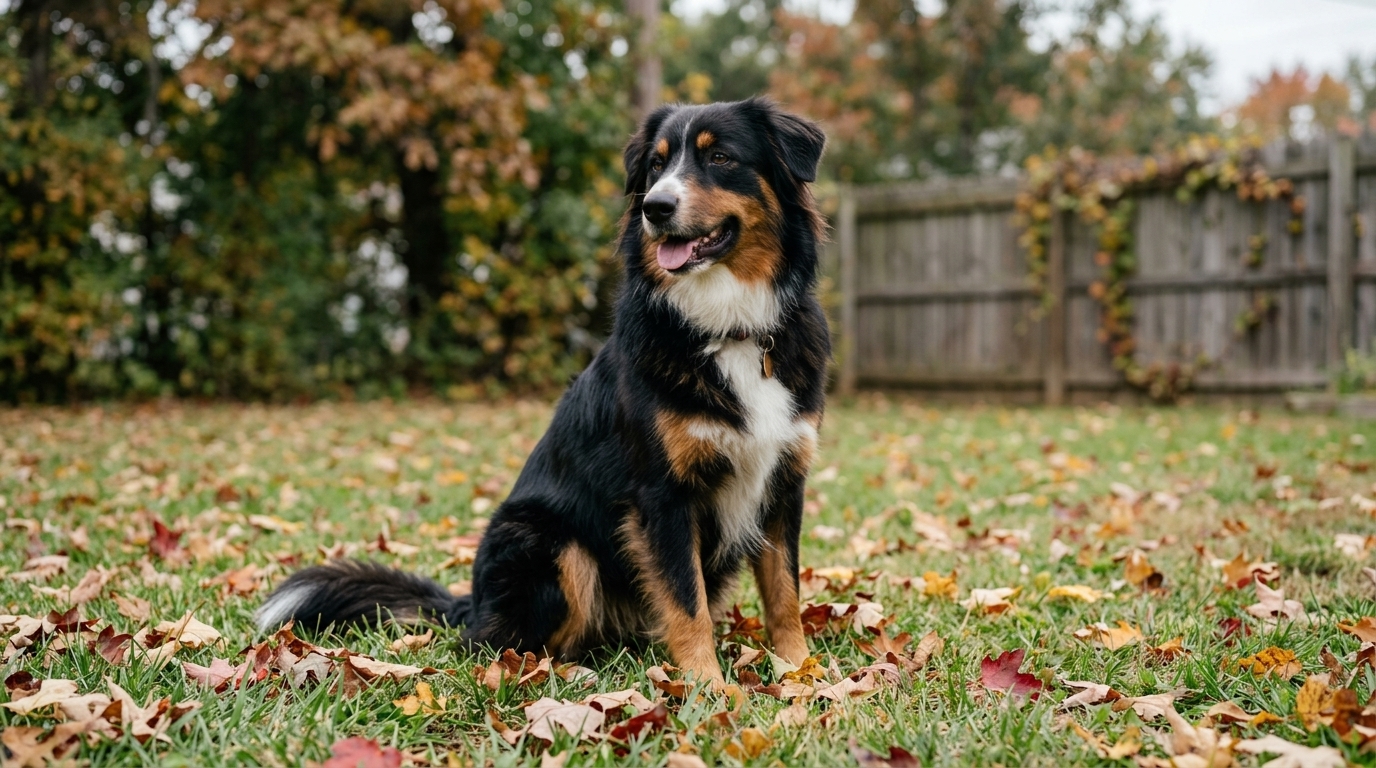
Autumn: Mushrooms, Reduced Daylight, Wildlife, and Changing Conditions
Autumn brings cooler weather, but shifting daylight, wildlife activity, and fungal growth introduce new considerations.
Mushrooms
Autumn rains and warmth stimulate wild mushrooms in lawns, woods, and parks. Because toxic species resemble harmless varieties, identification is difficult. Ingestion causes severe digestive distress, organ failure, or neurological dysfunction.
Train a reliable "leave it" cue and prevent scavenging. If ingestion is suspected:
- Contact a veterinarian or animal poison control hotline immediately.
- Photograph the mushroom and habitat from multiple angles.
- Wrap a fresh sample in a paper towel (avoid sealed plastic) if safe and advised.
- Do not induce vomiting at home unless explicitly instructed by a veterinarian.
Wet leaf piles are decaying plant matter and do not inherently harbor dangerous bacteria threatening dogs. Real hazards include hidden glass, moldy food waste, and toxic mushrooms.
Reduced Daylight
Shorter days mean walks occur at dawn, dusk, or in darkness. Practical visibility precautions:
- Use reflective leashes, collars, or harnesses.
- Attach a clip-on LED safety light to walking gear.
- Keep your dog leashed near roads and cycle paths.
- Maintain heightened awareness during dawn and dusk when wildlife activity peaks.
Reflective gear and a clip-on light ensure reliable visibility without complex equipment.
Wildlife and Seasonal Activity
Wildlife encounters vary by region and season:
- Mating seasons (rutting deer, elk, or moose can become aggressive)
- Pre-winter foraging (bears or wild boars feeding actively)
- Snakes seeking warm rocks or roads before winter dormancy
- Livestock descending from mountain pastures
- Active hunting seasons in rural areas (wear high-visibility gear and stick to marked paths)
Check park and wildlife notices for regional advisories.
Winter: Cold, Ice, De-Icers, and Antifreeze
Winter brings freezing temperatures, snow, ice, and chemical de-icers. Cold-weather care focuses on recognizing cold stress and protecting paws and skin from physical and chemical irritation.
Cold Exposure
No universal temperature cutoff defines cold danger. Tolerance depends on breed, coat type, size, age, body condition, health, wind chill, moisture, and acclimatization. Small dogs, thin-coated breeds, puppies, seniors, and dogs with chronic conditions chill rapidly.
Signs of cold stress include shivering, lifting paws, slowing down, hunched posture, or reluctance to continue. End walks promptly when these appear. Severe signs like marked weakness, confusion, or collapse require urgent emergency care.
Frostbite
During sub-zero cold, reduced blood flow leaves ear tips, paw pads, tail, and exposed skin vulnerable to frostbite. Never rub frostbitten tissue; ice crystals cause cellular damage. Avoid direct high heat like hair dryers or heating pads. Seek veterinary advice for safe rewarming.
Snow and Ice
Snow and ice create physical hazards: sharp crusts cut paws, snow packed between toes forms painful ice balls in fur, and slick surfaces cause slips and joint injuries. Trim hair between pads to reduce buildup, and inspect paws during and after walks.
Road Salt and De-Icing Products
De-icing products do not all cause chemical burns. Road salts and chemical melts act as abrasive and chemical irritants that inflame paw pads, and residues may be swallowed when dogs lick paws.
Rinse paws with lukewarm water and dry between toes after walks on treated surfaces. Boots protect dogs walking on salted streets. Paw waxes reduce snow sticking between toes, but do not reliably prevent chemical irritation or cuts from sharp ice.
Antifreeze
Ethylene glycol-containing antifreeze is highly toxic to dogs, and even relatively small exposures can cause severe, potentially fatal poisoning. The hazard does not depend on a sweet taste; modern formulations often include bittering agents and poisonings still occur.
Prevent access to spills, leaks, and garage areas. Suspected ingestion requires immediate emergency veterinary care without waiting for symptoms.
Year-Round Risks That Do Not Follow the Calendar
Dividing health concerns into four seasons creates a false impression that hazards vanish once a season ends:
- Parasites: Fleas, ticks, and mosquitoes remain active across extended seasons depending on climate. Fleas reproduce indoors year-round regardless of outdoor freezes. Follow veterinary guidance rather than stopping preventatives on a fixed date.
- Toxic substances: Medications, toxic foods (chocolate, xylitol, grapes, onions), household chemicals, rodenticides, and poisonous plants remain hazardous year-round.
- Weather extremes: Unseasonable heatwaves, sudden cold snaps, severe storms, flooding, and wildfire smoke occur outside predictable seasonal boundaries.
- Routine health changes: Changes in thirst, appetite, urination, mobility, breathing, or behavior should not be automatically blamed on weather. Persistent changes warrant veterinary evaluation.
Seasonal Dog-Safety Checklist
Use this checklist to adapt to shifting conditions. Post-walk checks should match the environment and actual exposure:
Before the Season Changes
- Review parasite prevention with your veterinarian.
- Verify microchip details and ID tags.
- Inspect walking gear, coats, boots, and reflective items.
- Review seasonal trail conditions and forecasts.
- Note local parasite, wildlife, and environmental alerts.
- Restock basic first-aid supplies (gauze, saline, tick tool).
- Confirm prescription medications are current.
Before Outdoor Activities
- Check temperature, humidity, wind chill, and air quality.
- Check surface conditions (pavement heat, ice, rough ground).
- Pack clean water and a travel bowl.
- Plan shaded routes with accessible rest areas.
- Check leash rules, hunting dates, and water alerts.
- Match exercise intensity to your dog's fitness.
After Outdoor Activities
- Inspect paw pads and webbing for cuts, ice, salt, or debris.
- Check coat and skin for burrs or irritation.
- Search for ticks around ears, neck, armpits, groin, and tail.
- Look for grass awns between toes, in ears, and in coat.
- Check ears for redness, debris, or tenderness.
- Monitor for limping, licking, or abnormal panting.
Tracking Seasonal Health Changes
Environmental and health changes develop gradually, making seasonal patterns difficult to recall across months. Useful observations to track include:
- Scratching frequency and localized itching
- Episodes of paw irritation or licking
- Tick encounters and removal dates
- Parasite-prevention medication dosing dates
- Changes in exercise tolerance or heat sensitivity
- Seasonal body weight fluctuations
- Recurring ear or skin issues
- Veterinary visit notes and medication responses
Logging observations in your Dogtales diary makes it easy to see whether a pattern recurred from last year or followed a routine change. Dogtales also provides reminders for recurring preventatives, boosters, and wellness visits.
Tracking tools record observations and organize care routines. They do not diagnose allergies, heat illness, parasite disease, or any medical condition. Accurate diagnoses require professional veterinary evaluation.
When Seasonal Symptoms Need Veterinary Attention
Knowing when to seek emergency care versus scheduling an appointment ensures timely care.
Urgent or Emergency Care
Seek immediate emergency veterinary care for:
- Collapse, loss of consciousness, or inability to stand
- Severe or persistent difficulty breathing
- Severe weakness, confusion, or disorientation
- Suspected heatstroke (heavy panting, thick drool, glassy eyes, vomiting)
- Suspected antifreeze or toxin ingestion (including toxic mushrooms)
- Seizures or sudden tremors
- Severe active bleeding or deep trauma
- Rapidly worsening clinical signs
Scheduled Veterinary Evaluation
Schedule a prompt veterinary evaluation for:
- Persistent or significant itching, chewing, or head shaking
- Recurrent ear redness, odor, or discharge
- Ongoing or recurrent limping or paw problems
- Persistent or significant vomiting or diarrhea
- Noticeable changes in thirst or urination
- Unexplained changes in appetite, weight, behavior, or activity
Do not attempt diagnoses based on isolated observations.
Frequently Asked Questions
Do dogs need flea and tick prevention all year?
Risk depends on geography, climate, parasite species, lifestyle, and chosen preventatives. While outdoor ticks decrease during freezes in some regions, certain species quest during warm spells, and fleas reproduce indoors year-round. Follow your veterinarian's recommendations.
How hot is too hot to walk a dog?
No single temperature cutoff applies. Humidity, direct sun, surface heat, exertion, airway anatomy (especially in brachycephalic breeds), coat density, age, and health dictate heat tolerance. High humidity impairs panting, making warm humid days far riskier than dry days at equal temperatures. Walk during cooler hours.
Does the 7-second pavement rule work?
Touching pavement offers rough awareness; no brief test replicates continuous weight-bearing, friction, and duration. Asphalt, sand, and artificial turf absorb heat, causing burns even in moderate air temperatures. Walk during cooler hours and favor shaded grass.
How cold is too cold for a dog?
No universal cutoff applies. Tolerance depends on breed size, coat density, age, body condition, health, wind chill, moisture, and acclimatization. Double-coated northern breeds tolerate sub-zero cold far better than small, single-coated dogs. Watch for shivering or lifting paws, and end walks before cold stress worsens.
Should my dog wear a coat in winter?
Some dogs benefit from extra insulation, particularly small, thin-coated, senior, young, or cold-sensitive dogs. Dogs with dense double coats regulate temperature effectively without extra layers. Ensure coats fit comfortably, allow mobility, and stay dry.
Should dogs wear boots?
Boots are not universally required, but they protect against scorching pavement, sharp ice crusts, rough terrain, and de-icing chemicals. Ensure proper fit without chafing, and acclimate your dog indoors before outdoor use.
Can dogs drink from lakes and streams?
Carrying clean water is safer. Natural water can harbor cyanobacteria toxins, pathogens like Leptospira, parasites like Giardia, or chemical runoff. Bringing clean water and a travel bowl eliminates preventable risks.
Share this article
Keep your dog healthy and happy with Dogtales
Track meals, medication, potty breaks, weight, vaccinations, and daily reminders in one intuitive app.
Related Articles
Dog Health Journal: What to Track and Why
A practical guide to keeping a dog health journal: what categories are actually worth recording, how a clear history helps at vet visits, and why the goal is useful context rather than constant monitoring.
Puppy Not Eating? Common Reasons and When to Call a Vet
When a puppy refuses food, knowing what to observe matters more than guessing. Learn the difference between reduced appetite and inability to eat, common causes, home checks, and clear veterinary escalation signs.

First Week With a Puppy: What to Expect
The first week with a puppy is about safety, basic needs, gentle routine, and helping them adjust. Learn what to expect, what to prioritize, and how to navigate the first seven days realistically.