
Hiking With Your Dog: Trail Safety, Gear, and Preparation
A practical guide to hiking safely with your dog: assess fitness, choose appropriate trails, pack essential gear, manage heat and water risks, and spot when to turn around.
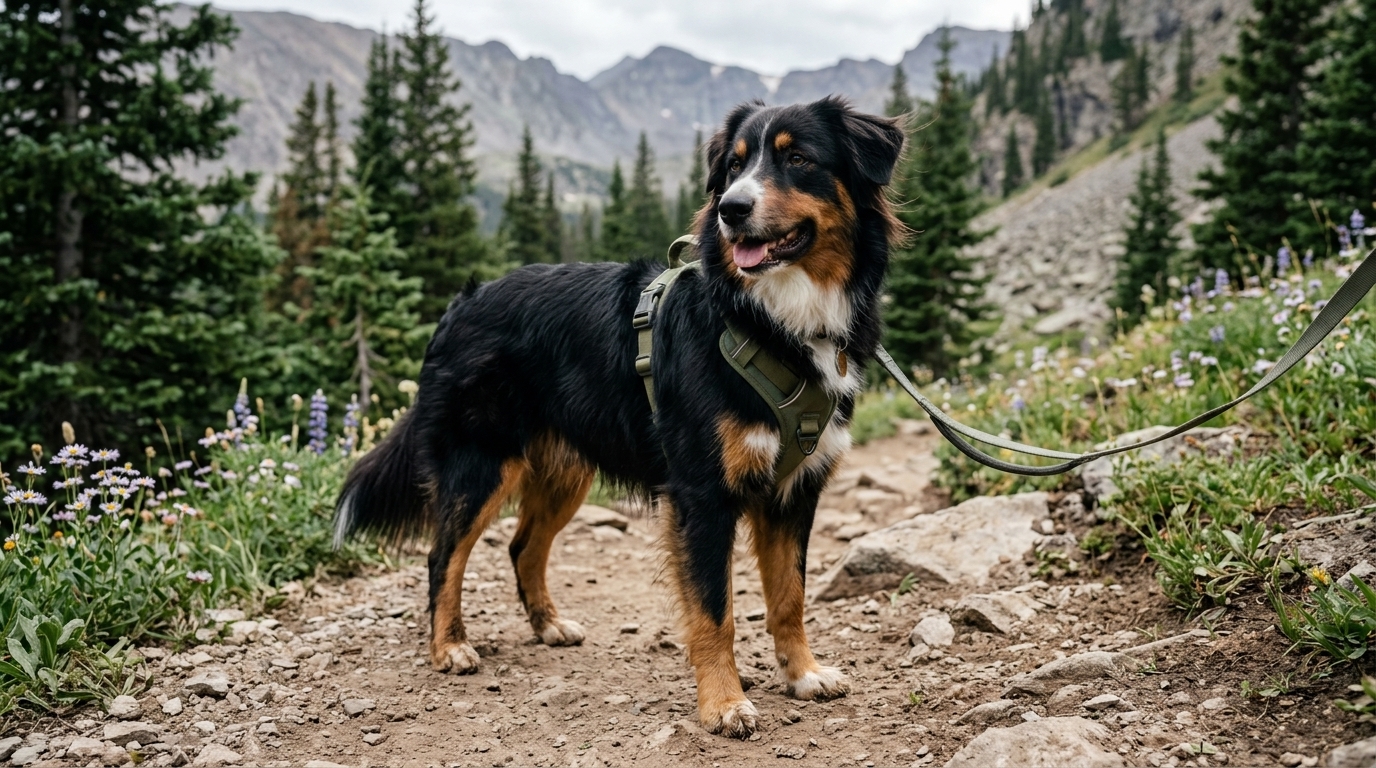
Hiking With Your Dog: Trail Safety, Gear, and Preparation
Hiking with your dog provides excellent exercise and enrichment, but outdoor trails present risks ordinary walks do not. Rough terrain, steep climbs, sudden weather shifts, contaminated water, and wildlife require deliberate preparation. Practical planning keeps outings safe: assessing readiness, choosing suitable trails, packing proper gear, and knowing when to turn back.
Is Your Dog Ready for a Hike?
Trail difficulty must match the individual dog; backyard energy does not equal trail stamina. Assess age, fitness, health, body condition, previous experience, weather, terrain, distance, and elevation gain before leaving.
Puppies should not tackle strenuous hikes simply because they seem energetic. Open growth plates risk injury from repetitive impact on rough ground. Avoid arbitrary exercise rules like five minutes per month of age; keep outings brief on soft ground, consulting a veterinarian before planning climbs.
Senior dogs and those with orthopedic, cardiovascular, or respiratory conditions need modified routes or veterinary advice. Brachycephalic dogs face heightened risks in heat and steep terrain due to restricted airways, though individual limitations vary.
Check Whether Dogs Are Actually Allowed
Never assume natural areas permit dogs. Access rules vary widely between national parks, regional parks, forests, nature reserves, and private trails across different regions and countries.
Do not assume national forests or state parks are dog-friendly by default. Some allow pets, while others enforce bans or seasonal closures to protect wildlife and fragile habitats.
Check official authorities before leaving:
- Dog permissions along the planned route
- Leash mandates and length limits
- Seasonal closures for wildlife nesting, calving, or hunting
- Prohibitions regarding lakes, streams, or sensitive watersheds
Choosing the Right Trail
A trail easy for a human may not be safe for a dog. Hikers have supportive boots; dogs hike barefoot and cannot negotiate technical obstacles.
When evaluating a route, consider:
- Distance and elevation gain: Steep ascents demand cardiovascular stamina; descents strain joints. An 8-kilometer (5-mile) trail with 400 meters (1,300 feet) of elevation gain is far tougher than a flat 12-kilometer (7.5-mile) walk.
- Terrain: Dirt cushions paws; sharp shale, granite, and scree abrade pads.
- Exposure and weather: Check forecasts; exposed ridges lack shade.
- Technical sections: Ladders, scrambles, exposed ledges, or swift river crossings are impassable for dogs.
- Crowds and livestock: Narrow paths near grazing cattle or heavy traffic create hazards.
What to Bring When Hiking With Your Dog
Pack dedicated gear for hydration, injuries, and weather:
- Drinking water: Clean water for your dog, plus a reserve.
- Collapsible bowl: Lightweight bowl for hydration stops.
- Sturdy leash: A reliable leash appropriate for the trail and compliant with local regulations.
- Well-fitting harness or appropriate walking gear: Choose secure equipment that fits comfortably and gives you reliable control.
- Identification: Collar tags with phone numbers and a registered microchip.
- Waste bags: Heavy-duty bags to pack out pet waste.
- Food or treats: Digestible snacks for longer outings.
- Basic first-aid supplies: Carry a compact dog-appropriate first-aid kit suited to the length and remoteness of the hike.
- Paw protection: Fitted booties for rough, hot, or sharp ground.
- Emergency item: Lightweight towel or rescue sling to carry an injured dog.
- Prescribed medication: Any veterinary medications for your dog.
Hydration Planning: Avoid Rigid Formulas
Avoid rigid formulas like 30 to 60 milliliters per kilogram (0.5 to 1 ounce per pound) per hour. Fluid needs vary by temperature, humidity, coat density, body size, and effort. Pack extra water and offer it regularly. Never administer human pain relievers or antihistamines without veterinary direction.
Harness, Collar, and Leash
Proper restraint gear protects your dog's anatomy and ensures physical control on rugged trails.
Choose secure, well-fitting walking equipment that allows comfortable movement and reliable control. A harness can be useful on many trails, particularly when additional control is needed, but fit and design matter. Check for rubbing or restricted movement during longer hikes.
Avoid hands-free waist leashes on steep, technical, or exposed trails. If your dog bolts or stumbles, a sudden pull can drag you off balance. A handheld leash provides immediate control.
Always follow local leash rules. Even where off-leash hiking is permitted, consider wildlife, livestock, other trail users, and your dog's recall reliability before unclipping.
Water Safety
Always bring clean drinking water from home, and never assume backcountry lakes or streams are safe.
Natural surface water frequently harbors pathogens. Runoff can carry Leptospira bacteria shed in animal urine, along with parasites like Giardia and Cryptosporidium. While not every stream is contaminated, untreated surface water introduces avoidable risks of severe gastrointestinal illness and organ damage.
Harmful cyanobacterial blooms (often called blue-green algae) can occur in freshwater and may produce toxins capable of causing severe or potentially fatal poisoning in dogs. Avoid water with visible blooms, scum, unusual discoloration, or posted harmful-algae warnings, and follow local water-quality advisories. On coastal trails, prevent dogs from drinking seawater; saltwater causes hypernatremia (salt toxicity), leading to severe vomiting, dehydration, and seizures.
Heat and Hot Weather
Dogs develop heat-related illness rapidly during exercise, especially in warm or humid conditions. Because dogs cool primarily through panting and have limited sweat glands in their paw pads, high heat severely restricts cooling.
Watch for warning signs of heat distress:
- Excessive or unusually intense panting
- Difficulty keeping pace, lagging, or stumbling
- Seeking shade persistently or repeatedly stopping
- Excessive drooling or thick saliva
- Weakness, disorientation, vomiting, or collapse
Suspected heatstroke is an immediate veterinary emergency; a dog does not need to show every sign for the situation to be life-threatening.
If your dog overheats:
- Stop exercise immediately: Move the dog out of the hot environment and into shade or another cooler location.
- Begin cooling promptly: Wet the dog thoroughly with cool water while using airflow where practical.
- Seek emergency veterinary care: Suspected heatstroke can cause serious internal complications even if the dog appears to improve. Continue cooling during transport where practical.
Cold Weather
Cold tolerance varies widely based on coat type, body size, age, body fat, and individual acclimatization, so avoid universal temperature cutoffs.
Key cold-weather hazards include:
- Wet fur and windchill: Wet coats lose insulation rapidly, spiking hypothermia risk after rain, snow, or stream crossings.
- Ice accumulation: Snow and ice can accumulate between the toes and cause discomfort or irritation. Check paws regularly during snowy hikes and remove packed snow or ice carefully.
- Frostbite: Ear tips, tail tips, and paw pads are vulnerable in freezing winds.
- Chemical de-icers: Trailheads often use salt or chemical de-icers that irritate pads and cause toxic ingestion if licked. Rinse paws with fresh water before driving home.
Turn around if your dog shivers, lifts paws repeatedly, or moves stiffly.
Protecting Your Dog's Paws
A dog's paw pads are resilient, but sharp shale, rough granite, scorching ground, and ice cause severe injuries.
Pads adapt through gradual conditioning over weeks of regular walking; taking an unconditioned dog onto sharp granite wears pads to raw flesh. Inspect paws during rest breaks for abrasions, cracks, or wedged debris.
Hot surfaces present an important paw hazard. Dark rock, sand, asphalt, metal, and other exposed surfaces can become much hotter than the surrounding air. Avoid prolonged exposure to surfaces that have been heating in direct sun, favor cooler or shaded terrain where possible, and watch for signs of paw discomfort such as limping, repeatedly lifting the feet, or reluctance to continue.
Fitted booties protect pads on sharp, scorching, or icy terrain; introduce them at home before your hike. Paw wax does not provide universal protection; while it prevents snow clumping and soothes dryness, it cannot stop cuts or puncture wounds from sharp rock.
Wildlife, Livestock, and Plants
Trails pass through natural animal habitats where proactive management prevents dangerous encounters:
- Maintain control: Keeping your dog leashed is the most reliable safety measure. Never allow chasing wildlife; fleeing animals can defend themselves aggressively, and dogs pursuing bears or moose often retreat to handlers with the predator behind them.
- Give livestock space: Cattle and sheep perceive dogs as predators. Mother cows with calves can charge. Give herds wide clearance, keep dogs quiet, and respect working guardian dogs.
- Avoid unknown plants and fungi: Prevent chewing on wild mushrooms or unfamiliar foliage.
- Account for regional risks: Research local hazards before hiking, such as venomous snakes, porcupines, ticks, and barbed foxtails that burrow into paws, ears, or nostrils.
Check local land advisories before departing.
Ticks and Other Parasites
Tick exposure depends on geography, species, climate, season, and local conditions. In some regions, ticks can remain active during surprisingly cool weather, so do not rely on a universal temperature threshold to determine risk. Discuss appropriate parasite prevention with your veterinarian based on where you live and hike.
Perform a thorough tick check at your vehicle before driving home. Inspect hidden areas: inside and behind ears, beneath collar and harness straps, armpits, groin, between toes, and around the tail base.
If you find an embedded tick, use fine-tipped tweezers or an appropriate tick-removal tool. Grasp the tick close to the skin surface and pull straight upward with steady pressure without twisting to remove it promptly. Avoid methods such as burning the tick or covering it with petroleum jelly or other substances. Prompt mechanical removal with an appropriate tool is preferred.
Trail Etiquette With a Dog
Considerate trail etiquette prevents conflict, preserves nature, and keeps trails dog-friendly:
- Yield appropriately: Yield to uphill hikers and equestrians. Step to the downhill side, put your dog in a sit, and speak calmly so horses identify you as human.
- Prevent unsolicited greetings: Never let your dog approach unfamiliar hikers or dogs uninvited. Other dogs may be reactive or injured, and other hikers may fear dogs.
- Protect habitats: Keep your dog on marked paths to prevent soil erosion and avoid disturbing wildlife or sensitive vegetation.
- Pack out all waste: Bag waste immediately and pack it out to a trash receptacle. Never leave filled waste bags beside the trail to collect later; bags are frequently forgotten or torn by wildlife.
Follow posted local regulations.
Know When to Turn Around
Completing a planned route or reaching a summit is never more important than your dog's physical condition.
Dogs often continue following handlers despite exhaustion or overheating. Because your dog cannot evaluate remaining trail distance or water supplies, you must decide when to turn back.
Clear reasons to turn around include:
- Persistent lagging behind your normal pace
- Repeated stopping, sitting down, or reluctance to proceed
- Unusual or raspy panting that does not settle during breaks
- Paw soreness, limping, or favoring a limb
- Worsening weather, such as extreme heat or storms
- Running low on drinking water
- Unexpected technical obstacles or swollen streams
Turning back early protects your dog and marks a responsible owner.
After the Hike: Quick Dog Check
Perform a quick physical check after the hike:
- Paws and toes: Inspect pads for cuts, blisters, and gravel. Spread toes to check webbing for foxtails or thorns.
- Nails: Check for cracked, chipped, or split toenails.
- Coat and skin: Feel through the coat for burrs, scrapes, or ticks.
- Ears and eyes: Check ears for trapped seeds and eyes for irritation.
- Harness friction points: Examine armpits and chest for chafing.
- Movement: Watch your dog walk on flat ground to detect stiffness or limping.
- Recovery: Pay attention to drinking, appetite, movement, and energy during recovery after the hike.
Persistent limping, unusual weakness, acute pain, vomiting, breathing difficulty, or collapse warrant prompt veterinary advice.
Tracking Your Dog’s Outdoor Activity
Logging outdoor hikes helps you monitor your dog's conditioning and recovery over time. Documenting route distance, elevation, terrain, weather, hydration, paw wear, and post-hike fatigue provides valuable insights when planning future outings.
With Dogtales, you can keep activities and health notes in the same diary, making it easier to remember how your dog handled previous hikes when planning the next one. Tracking routine conditioning alongside health notes gives you a practical, long-term reference for your dog's outdoor life.
Frequently Asked Questions
How far can a dog hike?
There is no universal safe hiking distance. A dog's comfortable range depends on conditioning, age, health, body size, terrain, elevation gain, weather, and previous hiking experience. Start with easier routes and increase distance and difficulty gradually while watching how your dog performs during the hike and recovers afterward.
Can puppies go hiking?
Short walks provide enrichment, but avoid strenuous hiking while bones develop. Skip arbitrary exercise rules, keep outings brief on soft ground, and consult a veterinarian before planning climbs.
How much water should I bring for my dog?
Needs vary by heat, humidity, coat density, and effort. Pack dedicated clean water beyond your own supply, carry a reserve, and offer drinks frequently.
Should my dog wear hiking boots?
Booties protect pads on sharp scree, hot rock, or crusted snow. Acclimate your dog to wearing them at home before hiking.
Can dogs drink from streams?
Always carry clean water. Backcountry streams can harbor parasites like Giardia and Cryptosporidium, bacteria like Leptospira, or toxic cyanobacteria, even when water looks clear.
What should I do if my dog gets too hot while hiking?
Stop exercise immediately: Move the dog out of the hot environment into shade or another cooler location. Begin cooling promptly by wetting the dog thoroughly with cool water while using airflow where practical, and seek emergency veterinary care. Continue cooling during transport where practical.
Share this article
Keep your dog healthy and happy with Dogtales
Track meals, medication, potty breaks, weight, vaccinations, and daily reminders in one intuitive app.
Related Articles

Dog Health Journal: What to Track and Why
A practical guide to keeping a dog health journal: what categories are actually worth recording, how a clear history helps at vet visits, and why the goal is useful context rather than constant monitoring.

First Week With a Puppy: What to Expect
The first week with a puppy is about safety, basic needs, gentle routine, and helping them adjust. Learn what to expect, what to prioritize, and how to navigate the first seven days realistically.

New Puppy Checklist: What You Actually Need
Bringing home a puppy does not require an endless shopping cart. Here is a practical, realistic checklist of what you actually need before day one, what can wait, and the non-product preparation that matters most.