
Understanding Your Dog's Body Language
Learn how to read your dog's subtle body language cues, why single signals should never be interpreted in isolation, and how to recognize signs of relaxation, stress, fear, and discomfort.
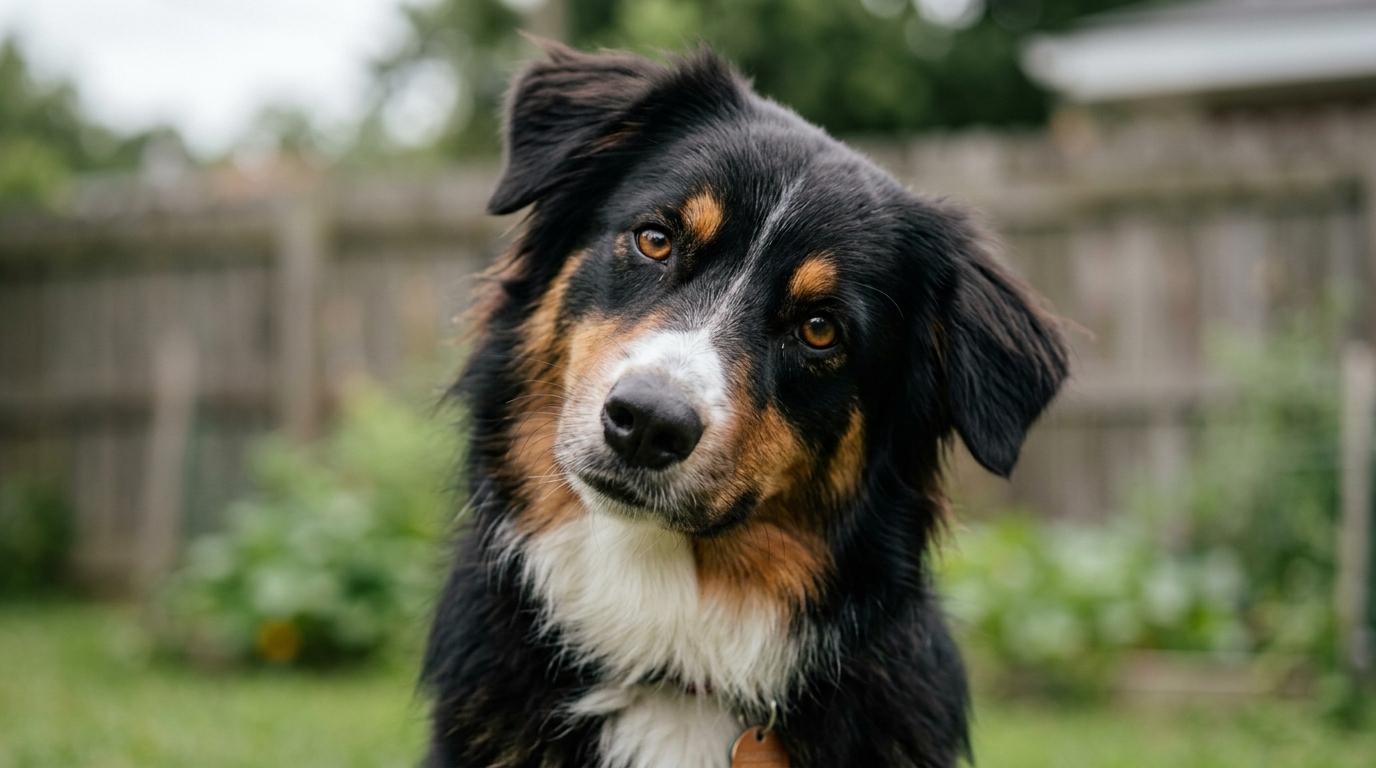
Understanding Your Dog's Body Language
Dogs communicate constantly through posture, movement, facial expressions, ear placement, tail carriage, and sound.
Many owners treat canine communication like a word-for-word glossary: a wagging tail must mean happiness, rolling onto the back must mean wanting a belly rub, and raised hackles must mean aggression.
In reality, canine body language is far more nuanced. Single signals taken out of context lead to misunderstandings, training setbacks, and preventable conflict. Interpreting what a dog is communicating requires observing the whole dog and their immediate environment.
The Most Important Rule: Look at the Whole Dog
The foundational rule of canine communication is simple: never interpret a single body-language signal in isolation.
A single signal can occur in very different contexts. Consider a wagging tail:
- Loose, fluid posture: A tail sweeping in wide arcs, paired with soft eyes, a relaxed open mouth, and gentle hip sway.
- Tense, high-arousal posture: A stiff tail vibrating in a tight arc, paired with a rigid spine, weight braced forward, a closed mouth, and a fixed stare.
In the first situation, the dog's overall body appears loose and relaxed. In the second, the dog's posture indicates heightened arousal or tension, so approaching or initiating interaction may not be appropriate.
Breed Anatomy Matters
Before evaluating any dog, factor in their physical build:
- Tail variations: Pugs, Basenjis, and Akitas carry tightly curled tails over their spines, whereas Greyhounds naturally rest their tails low. Dogs with docked or naturally bobbed tails offer fewer visual cues, requiring you to observe the tail base and pelvic movement instead.
- Ear structures: Prick ears swivel easily, making subtle shifts obvious. In contrast, dogs with heavy drop ears cannot prick upward; you must watch whether the ear base lifts forward or flattens against the skull.
- Coats and facial features: Heavy furnishings can obscure eyes and raised fur. Brachycephalic breeds often have prominent wrinkles, wide-set eyes, and noisy breathing that can mimic stress signals seen in other dogs.
Always evaluate signals relative to that specific dog's baseline anatomy.
What a Relaxed Dog Looks Like
A comfortable dog shows physical ease throughout their body. Their posture generally looks soft, fluid, and curved rather than angular or rigid.
Common indicators of relaxed body language include:
- Loose body: Muscles appear soft without visible bracing.
- Balanced posture: Weight is distributed evenly across all four paws.
- Soft eyes: Eyelids are relaxed, blinking occurs at a normal rate, and the gaze is gentle.
- Relaxed mouth: Mouth corners are soft. The mouth may be loosely closed or slightly open with a relaxed tongue.
- Natural ear position: Ears sit in their neutral resting position for that breed.
- Relaxed tail carriage: The tail rests at its natural height and may swing in a slow, loose sweep.
Not every relaxed dog displays every signal simultaneously. A sleeping dog may look completely limp, while a relaxed dog strolling through a yard will show casual interest without tension.
Playful and Excited Body Language
During play, dogs frequently use bouncy, exaggerated gestures signaling that their behavior is playful rather than serious:
- The play bow: Lowering the front end while keeping the rear end high in the air.
- Bouncy movements: Loose, inefficient bounds, twists, and curves.
- Relaxed "play face": Loosely parted jaws, soft lips, and a tongue hanging casually.
- Engagement and re-engagement: Dynamic play with brief pauses to check in before resuming.
High Arousal: Excitement vs. Stress
Excitement, stress, fear, and frustration are all high-arousal states that can share physical signals, including panting, dilated pupils, and rapid movement.
Context, muscle tension, the dog's ability to disengage, and the overall combination of signals help with interpretation. In loose, comfortable play, the body remains springy and the dog can pause relatively easily. When high arousal stems from stress or frustration, movement often becomes more rigid, repetitive, or frantic, and the dog may struggle to disengage.
Even so, owners cannot always determine a dog's exact emotional state from physical signals alone.
Signs of Stress or Uncertainty
Dogs often show subtle displacement behaviors and appeasement gestures when feeling uneasy, conflicted, or unsure:
- Lip licking: A quick tongue flick across the nose or lips when food or water is absent.
- Yawning when not tired: A deliberate yawn during training, handling, or unfamiliar social situations.
- Turning the head away: Breaking eye contact and angling the head away from an approaching person or dog.
- Avoiding direct eye contact: Looking sideways or casting the eyes downward.
- Lowered posture: Dipping the center of gravity closer to the ground.
- Ears pulled back: Holding ears flatter and lower against the skull than normal baseline.
- Pacing and restlessness: Shifting positions repeatedly or wandering without settling.
- Excessive panting: Rapid panting unexplained by ambient temperature or recent exercise.
- Whale eye: Turning the head slightly away while keeping eyes fixed on a trigger, revealing the white sclera.
- Freezing: A momentary pause where movement stops and the dog stiffens briefly before choosing a response.
A single signal alone does not prove anxiety. Look for clusters of signals occurring in response to specific events, such as someone leaning over the dog or approaching while they are resting.
Fearful Body Language
When a situation feels threatening or overwhelming, a dog may display behaviors intended to create safety or increase distance:
- Body lowered or leaning away: Shifting weight backward onto the rear legs, crouching low, or flattening toward the ground.
- Tucked tail: Clamping the tail tightly between the hind legs, sometimes pressed against the belly.
- Ears pinned back: Holding ears flat against the neck or head.
- Attempts to increase distance: Backing away, slinking behind furniture, or moving behind an owner's legs.
- Hiding: Seeking shelter under tables, beds, or in quiet corners.
- Freezing: Remaining completely still when a situation feels threatening, uncertain, or overwhelming, especially if escape feels unavailable.
- Defensive vocalizations: High-pitched distress yelps, whines, or low grumbles when approached.
A frightened dog may choose flight, freezing, avoidance, or defensive behavior depending on the environment and their perception of options. Providing space and removing pressure is the safest response.
When a Dog Is Asking for Space
Recognizing when a dog needs distance is critical for bite prevention. Dogs may show a range of signals before defensive behavior, but these signals can be subtle and do not always appear in a predictable order.
Signals that indicate a dog may need space include:
- Suddenly becoming very still: Abruptly stopping movement with tightening muscles and paused breathing.
- Stiff, rigid body: Locked spine and firmly braced legs.
- Hard stare: Direct, unblinking focus with widened eyes and brow tension.
- Weight shifted forward: Leaning weight onto the front paws toward a person, animal, or object.
- Showing teeth: Lifting the upper lip vertically to expose teeth.
- Growling: A low, rumbling vocalization from the chest.
- Snapping: A quick snap in the air without making physical contact.
- Repeatedly trying to move away: Turning away, backing up, or leaving the room when approached.
Growling Is Information, Not Inherent Aggression
Punishing a dog for growling is counterproductive and unsafe.
In a tense or defensive context, growling is important information that the dog is uncomfortable with the situation. It indicates that the dog feels threatened or pushed beyond their tolerance level and wants the pressure to stop.
Punishing a growl risks suppressing warning behavior without addressing the underlying fear or discomfort. A dog whose growl has been discouraged may stop giving that warning in future tense situations, making their behavior harder to anticipate.
When a dog growls in a tense setting, respect the signal. Pause what you are doing, avoid sudden moves, calmly increase distance, and evaluate what caused the reaction.
Understanding Tail Language
Tail movement indicates emotional arousal and engagement, but it does not automatically mean a dog is happy or friendly. A wagging tail can accompany excitement, play, uncertainty, or intense arousal.
| Tail Movement & Position | Possible Interpretation in Context | Important Considerations |
|---|---|---|
| Loose, sweeping wag | Often seen in comfortable, friendly engagement | Wide sweeping arc at medium height, often accompanied by loose hip movement and soft muscles. |
| Fast, tight wag | Heightened arousal, tension, or conflict | Short, rapid vibration in a narrow arc. Evaluate whether the surrounding body is stiff or relaxed. |
| High, stiff carriage | Alertness, arousal, or heightened attention | Carried upright or arched over the back. Does not automatically indicate aggression; check overall posture and facial tension. |
| Low or tucked tail | Insecurity, fear, discomfort, or appeasement | Carried below the spine line or clamped to the belly. Does not automatically mean fear if normal for the breed. |
| Neutral resting position | Relaxed baseline for that individual | Varies widely across breeds. No obvious tension at the tail base. |
Always consider the individual breed. Sighthounds naturally carry their tails low, whereas Nordic breeds carry them curled over the back. What matters most is how tail position and movement differ from that dog's relaxed baseline.
Understanding the Eyes and Face
Canine facial expressions provide useful cues, but no single facial movement defines an emotional state on its own:
- Soft eyes: Relaxed eyelids, gentle gaze, and normal blinking. Muscles around the eyes appear smooth.
- Hard stare: A sustained, unblinking, direct gaze accompanied by facial tension. Evaluate this signal alongside body stiffness and context.
- Whale eye: Showing the white sclera while keeping eyes fixed on a trigger. This can occur with discomfort, tension, resource guarding, or uncertainty, but can also happen simply because of head position and gaze direction.
- Blinking and looking away: Slow blinking or turning the gaze away can help reduce social intensity when interacting with people or other dogs.
- Lip licking: A brief tongue flick across the lips or nose when food is absent, frequently associated with mild stress or conflict.
- Mouth tension: Lips drawn into a tight line or pulled forward into an oval shape suggest tension. A loosely open mouth with soft lips generally reflects a more relaxed state.
Observe facial expressions in combination with posture, breathing, and the surrounding environment rather than diagnosing a mood from one feature.
Understanding Ear Position
Ears indicate where a dog is directing their focus and can reflect changes in arousal:
- Forward-facing ears: Pointed forward or angled toward a sound or object, indicating alertness, curiosity, or concentration.
- Neutral ears: Resting comfortably in their natural position for that breed, indicating a calm baseline.
- Pulled-back ears: Held flatter or drawn back against the head. This can accompany fear, appeasement, or uncertainty, but can also appear during friendly greetings when paired with a soft face and loose body.
For breeds with drop ears, observe the base of the ear where it attaches to the skull. The base often lifts upward and forward when the dog is alert, and pulls back or flattens when the dog feels uneasy.
Raised Hackles (Piloerection)
Fur standing up along a dog's neck, shoulders, back, or tail is known as piloerection. This is an involuntary reflex, not a deliberate behavior.
The central takeaway is simple: raised hackles indicate arousal, not automatically aggression.
Piloerection can occur during:
- Surprise or a sudden sound
- High excitement during active play
- Uncertainty or intense curiosity about a novel scent or object
- Fear or defensive arousal
Raised hackles tell you that the dog is experiencing heightened arousal. Look at the rest of the dog's body to understand the context: a bouncy dog with raised hackles may simply be excited during play, whereas a stiff, still dog with raised hackles requires caution and distance.
What Does It Mean When a Dog Shows Their Belly?
A common misconception is that a dog rolling onto their back is always asking for a belly rub or demonstrating "submission."
Belly exposure occurs in very different contexts, and misinterpreting the posture can lead to unnecessary stress or defensive bites:
1. Relaxed Belly Exposure
A comfortable dog rolls onto their side or back with loose, soft muscles. Their limbs are bent loosely, their mouth is relaxed, and their eyes are soft. If you pet them, they remain loose and may lean in or solicit continued contact.
2. Tense or Appeasing Belly Exposure
A dog who feels overwhelmed, nervous, or cornered may roll onto their back while displaying clear physical tension. Their limbs may be pulled tightly to their chest, their head may turn away, their tail may be tucked over the groin, and they may show whale eye, lip licking, or freezing.
In this context, the posture is an appeasement or distance-increasing behavior signaling discomfort.
If the dog shows any stiffness or signs of unease, step back and give them room to stand up comfortably.
Vocalizations Are Part of the Picture
Vocal sounds provide additional context, but they must always be interpreted alongside body posture and the surrounding environment:
- Barking: Barks serve many purposes, including alerting, play, demand, frustration, fear, or excitement. Pitch, cadence, and volume provide clues, but barking should be evaluated in context rather than assigned a rigid meaning.
- Whining: Whining can indicate excitement, anticipation, frustration, or a desire for attention, but can also be associated with pain, discomfort, or anxiety.
- Growling: Growling in a tense context indicates discomfort and a need for space. However, growling may also occur during play, such as a vigorous game of tug, where it is accompanied by loose, bouncy body language.
- Howling: Howling can be a response to high-pitched sounds like sirens, an effort to locate companions, or an expression of separation-related distress.
No single sound or combination of signals guarantees safety. Always evaluate vocalizations alongside muscle tension, posture, and the immediate situation.
Learn Your Own Dog's Baseline
Generic body-language guides provide a helpful foundation, but every dog has an individual baseline.
Getting to know your dog's typical habits makes it easier to spot meaningful changes:
- How does your dog stand and lie down when completely relaxed?
- Where do their ears rest naturally when strolling through familiar areas?
- How does their tail move when greeting familiar people compared to strangers?
- How do they typically respond to common household sounds and visitors?
Noticing shifts from this baseline can be more informative than generic charts. A dog who normally approaches guests with loose, easy movement but suddenly stands still near the door is signaling that something feels different about that interaction.
Changes in posture and movement can also reflect physical discomfort or pain. An ear infection, dental pain, or joint stiffness can make a dog more sensitive to touch or changes in their routine. Keeping track of daily habits, behavior patterns, and physical changes in your Dogtales diary can help you notice changes over time and give your veterinarian a clearer history if something seems unusual.
When to Give Your Dog Space
Recognizing body language is most valuable when it informs how you respond. If a dog appears tense, fearful, freezes, moves away, or signals discomfort:
- Stop approaching: Pause your movement and avoid walking closer to the dog.
- Avoid forced physical contact: Do not reach over their head, lean over their body, or attempt to pet, hug, or hold them.
- Calmly increase distance: Step back calmly to reduce social pressure where safe to do so.
- Ensure an escape route: Give the dog a clear, unblocked path to move away, retreat to a resting spot, or leave the room. Avoid cornering a dog against walls, furniture, or inside a crate.
- Supervise children carefully: Children often misread a frozen or still posture as calm acceptance. Teach children to give dogs space when resting, eating, or moving away.
- Seek qualified professional support: If a dog regularly displays intense fear, resource guarding, or defensive reactivity, consult a credentialed positive-reinforcement trainer or a veterinary behaviorist to address the underlying causes safely.
Final Takeaway: Observation Over Memorization
Learning to read dog body language is not about memorizing a static dictionary of isolated gestures. It is about developing the habit of observing the whole dog, considering the environment, and noticing changes from their baseline.
When you look at posture, muscle tension, facial expressions, and the situation together, you can better understand when your dog feels comfortable and when they need distance. Respecting those signals builds trust, reduces stress, and keeps everyday interactions safe for everyone.
Share this article
Keep your dog healthy and happy with Dogtales
Track meals, medication, potty breaks, weight, vaccinations, and daily reminders in one intuitive app.
Related Articles
Dog Health Journal: What to Track and Why
A practical guide to keeping a dog health journal: what categories are actually worth recording, how a clear history helps at vet visits, and why the goal is useful context rather than constant monitoring.
First Week With a Puppy: What to Expect
The first week with a puppy is about safety, basic needs, gentle routine, and helping them adjust. Learn what to expect, what to prioritize, and how to navigate the first seven days realistically.
New Puppy Checklist: What You Actually Need
Bringing home a puppy does not require an endless shopping cart. Here is a practical, realistic checklist of what you actually need before day one, what can wait, and the non-product preparation that matters most.